Henry Nowak Case Fuels National Debate Over Crime and Trust in British Policing




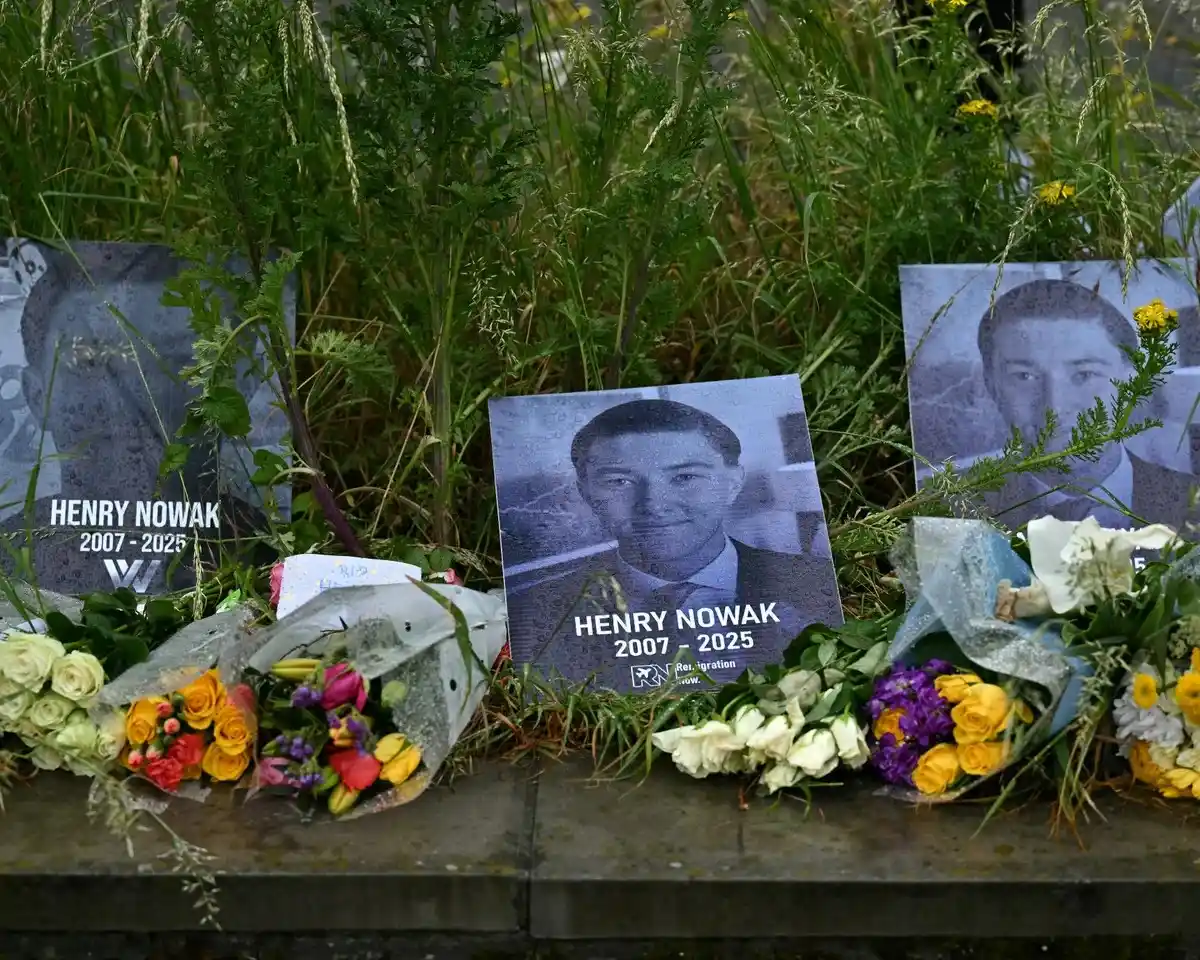


The murder of Southampton student Henry Nowak has become more than a criminal investigation. It is now at the center of a widening political battle over crime, public safety and trust in British policing.
The latest spat is between Prime Minister Keir Starmer and Reform UK leader Nigel Farage. At the heart of the dispute is Farage's repeated claim that Britain operates a system of "two-tier policing" — an allegation that has sparked fierce debate across Westminster and beyond.
Farage argues that police respond differently to crime, protests and public disorder depending on who is involved. The claim resonates with some voters frustrated by rising concerns about crime and public safety.
The accusation is serious. Government ministers insist it is also wrong.
Officials maintain that police decisions are guided by evidence, legal standards and operational necessity rather than politics or ideology. They say claims of unequal treatment could undermine confidence in institutions already under intense public scrutiny.
The argument has gained momentum as crime and law-and-order issues move higher up the political agenda. The killing of Henry Nowak added another emotional layer to the debate, prompting renewed discussion about youth violence, justice and community safety.
What began as a response to a tragic crime has evolved into a broader national argument over how Britain is policed and who gets to define public trust.
Starmer Pushes Back Against Claims of Unequal Policing
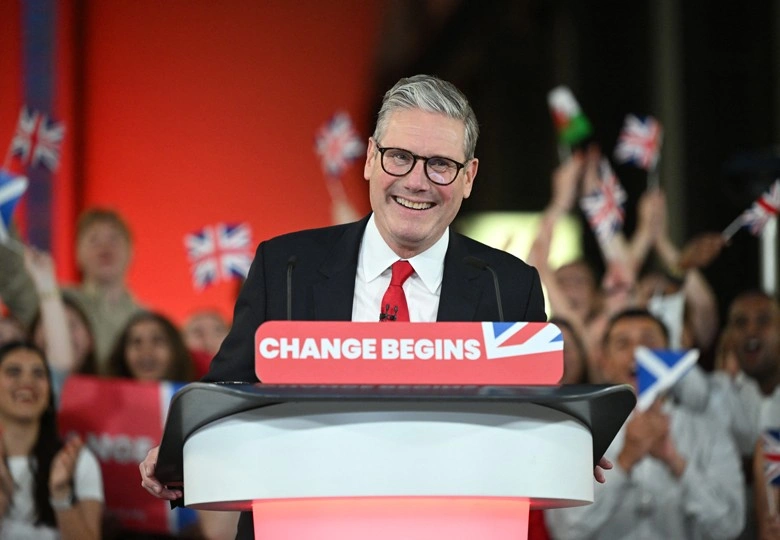
Prime Minister Keir Starmer has rejected Farage's allegations in blunt terms.
He argues that claims of "two-tier policing" are not supported by evidence and unfairly target officers carrying out difficult work under intense pressure. Speaking during public appearances and political exchanges, Starmer defended police forces and stressed that operational decisions are made independently of political influence.
His message has been consistent: the law applies equally, and the evidence comes first.
Starmer warned that broad accusations against policing institutions can damage public confidence and make it harder for officers to do their jobs. Government ministers echoed that position, emphasizing that police forces operate independently and are accountable to legal standards rather than political agendas.
Farage remains unconvinced. He has repeatedly pointed to examples involving protests, demonstrations and criminal investigations that he says reveal inconsistent enforcement. Government officials respond to those comparisons by arguing that different incidents have different legal circumstances and public safety concerns.
The disagreement reflects a larger divide within British politics. Crime, immigration and social order have become increasingly powerful political issues, viewed as chances to reach voters worried about safety and the government's performance. Neither side appears to want to budge.
Crime and Public Safety Turn into Political Weapons
The debate over policing is part of a much bigger political battle. Reform UK has increasingly centered its message on law-and-order issues, saying many voters feel neglected by political leaders and frustrated by what they perceive as a decline in public safety.
Farage has made that frustration a cornerstone of his campaign. The "two-tier policing" argument is used as a broader criticism of government institutions, policing policies and political leadership. It is designed to tap into wider concerns about crime, antisocial behavior and community security.
Other political parties have been pulled into the debate as well. Conservative leader Kemi Badenoch has faced growing pressure to outline her own approach to policing and criminal justice as parties compete for voters who rank public safety among their top concerns.
Political strategists understand why the issue matters. Crime often shapes public perceptions of competence. Voters may differ over economic policy or social issues, but concerns about personal safety tend to cross political lines. The murder of Henry Nowak has intensified those discussions. Political leaders from across the party spectrum have referenced the case while making competing arguments about justice, accountability and law enforcement effectiveness. The result is a debate that goes far beyond a single criminal probe.
Public Trust Emerges as the Real Battleground
Beneath the political arguments lies a more fundamental question: do people trust the police?
Supporters of Farage's position argue that perceptions of unequal treatment have become widespread among parts of the public. They say that even if police actions are legally justified, confidence can be eroded if people believe standards are inconsistently applied. Perception matters — sometimes as much as reality.
But government officials and police representatives reject the notion that operational decisions are swayed by systemic political bias. They say policing often requires complicated decisions based on intelligence, evidence and public safety considerations. Comparing unrelated incidents, they say, can create misleading conclusions.
The challenge has become harder in the age of social media. Individual policing decisions are now dissected instantly, often through political and ideological lenses. Every arrest, protest response or public order operation can become a national debate within hours. That environment places enormous pressure on police forces.
As observers point out, public confidence is based not just on outcomes, but also on transparency, communication and consistency. People need to feel the system is fair, even when they disagree with some of its decisions.
The ongoing clash between Starmer and Farage shows how policing has become something more than a public policy issue — it has become a political symbol. The debate surrounding Henry Nowak's murder, public safety and law enforcement is unlikely to fade anytime soon. With Britain heading for future elections, questions of policing, trust and justice are likely to remain at the forefront of the national conversation.
Related Politics