Keir Starmer Warns of Dangerous Political Division Ahead of UK Elections




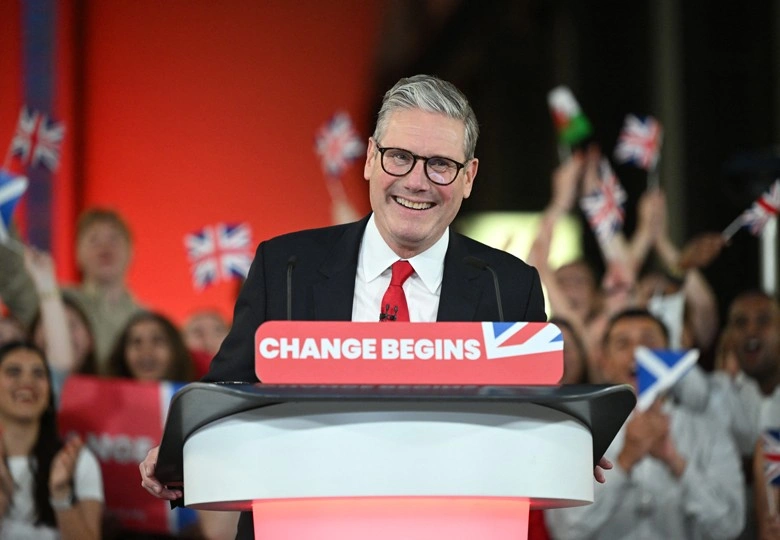


Keir Starmer returned to the campaign trail with an unusually direct warning to voters: Britain, he argued, is entering a moment where political division could become genuinely dangerous. Ahead of major elections across England, Scotland, and Wales, the Labour leader urged the public to reject what he described as "division and protest politics" and instead back stability at a time when economic uncertainty, pressure on public services, and global tensions continue to dominate public life.
But beneath the message of unity sits a growing sense of anxiety inside Labour Party itself. These elections were originally expected to reinforce Labour's position in government. Instead, they are increasingly shaping up as a warning sign for Starmer after months of slipping poll numbers and frustration among different parts of Labour's coalition.
Labour now faces the possibility of losing between 1,500 and 1,900 council seats — a scale of losses that would dramatically shift the political conversation around Starmer's leadership.
Why Labour is suddenly under pressure
The pressure on Labour is coming from both sides politically, which is part of what makes the situation so difficult for Starmer.
On one side, Reform UK has rapidly expanded its support among working-class voters who feel ignored by both Labour and the Conservatives. Many of these voters backed Brexit years ago and remain deeply frustrated over immigration, living costs, wages, and what they see as an out-of-touch political establishment. Nigel Farage has tapped directly into that frustration with anti-establishment messaging that continues to resonate in former Labour strongholds across northern England and parts of Scotland.
On the other side, Labour is also losing support among progressive voters drifting toward the Green Party of England and Wales. In cities and university-heavy areas, many left-leaning voters believe Labour has become too cautious and too centrist under Starmer. The Greens, led in part by co-chair Zack Polanski, have benefited from that dissatisfaction by presenting themselves as a clearer alternative on climate, public spending, and social issues.
That leaves Labour squeezed in the middle — trying to hold together voters with increasingly different priorities.
Starmer's balancing act
One of the biggest criticisms facing Starmer is that many voters still are not entirely sure what he stands for politically beyond competence and stability. His supporters argue that after years of political chaos in Britain, especially following the Brexit years and repeated Conservative crises, stability itself is a message voters can trust.
Critics inside Labour, however, say the party has become overly cautious and reactive. Some believe Labour has failed to inspire voters with a larger economic or social vision, particularly during a period when many households continue struggling with housing costs, inflation, NHS pressures, and stagnant wages.
That internal frustration has quietly fueled speculation about the party's future leadership. While no direct challenge to Starmer has emerged, figures such as Andy Burnham and Deputy Prime Minister Angela Rayner are increasingly discussed by commentators and party insiders whenever conversations turn to Labour's long-term direction.
Still, Starmer's allies insist he remains firmly in control and intends to serve a full term as prime minister regardless of the election outcome.
A fragmented political era
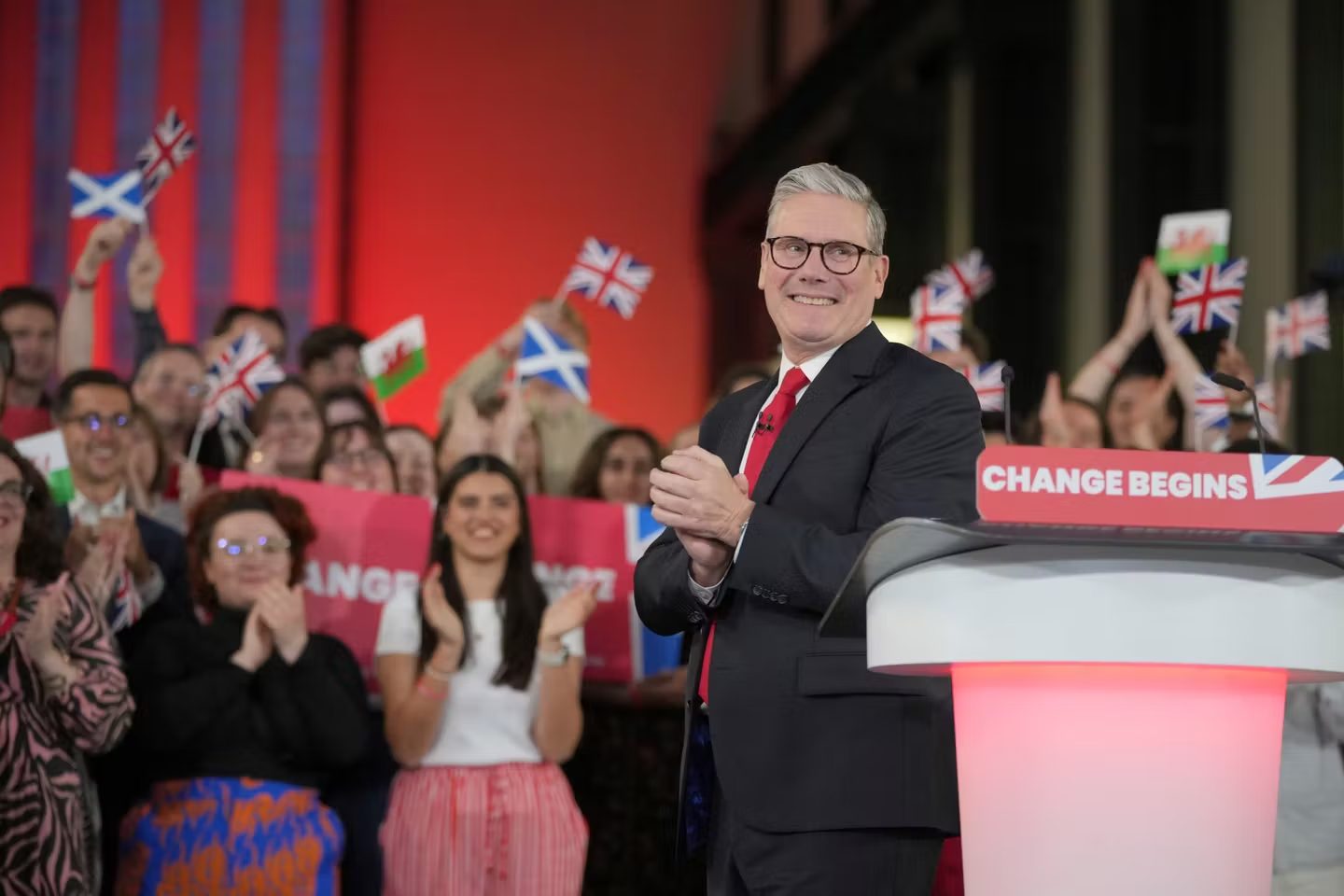
What makes these elections so important is that they show a much bigger change happening in British politics. For decades, UK elections were mostly about two main parties: Labour and the Conservatives. That structure now seems much weaker than it used to be.
Voters today are more likely to back more than one party based on the issue that matters most to them. Reform UK is gaining ground on immigration and anti-establishment politics. The Greens are becoming more popular among younger and progressive voters. The Liberal Democrats are still competitive in parts of southern England, and regional parties like the Scottish National Party and Plaid Cymru continue to shape politics in Scotland and Wales.
That fragmentation is making politics less stable, and even small changes in support can have big effects.
Scotland and Wales becoming major battlegrounds
Labour in Scotland had hoped to regain support after years of SNP rule, but the rise of Reform UK has made that plan harder to carry out. Polling suggests Reform could outperform expectations among certain groups of voters, especially those frustrated with both Westminster politics and the Scottish political establishment. Analysts have even warned about the possibility of "shy Reformers" — voters unwilling to publicly admit support for Reform UK but likely to vote for the party privately.
In Wales, meanwhile, Plaid Cymru senses a rare opportunity to seriously challenge Labour's historic dominance. A strong performance there would carry symbolic importance far beyond Wales itself because it would signal weakening confidence in Labour even in areas long considered safe territory.
More than local elections
Although these contests involve local councils, mayors, and devolved governments, the political meaning goes far beyond local issues. For many voters, this election cycle has become a broader judgment on the direction of the country and on Starmer's ability to lead during a period of deep uncertainty.
Economic concerns continue to dominate daily life for many families, while debates around immigration, housing, public services, energy policy, and national identity remain highly charged. Financial markets have also shown signs of nervousness amid growing uncertainty around Britain's political direction and the long-term stability of Starmer's government.
For Labour, the fear is not simply losing council seats — it is the possibility that these elections expose a deeper political problem: a party struggling to hold together the broad coalition that helped return it to power.
And for Starmer personally, the results could become the clearest indication yet of whether voters still believe he represents the steady alternative he promised to be.
Politics