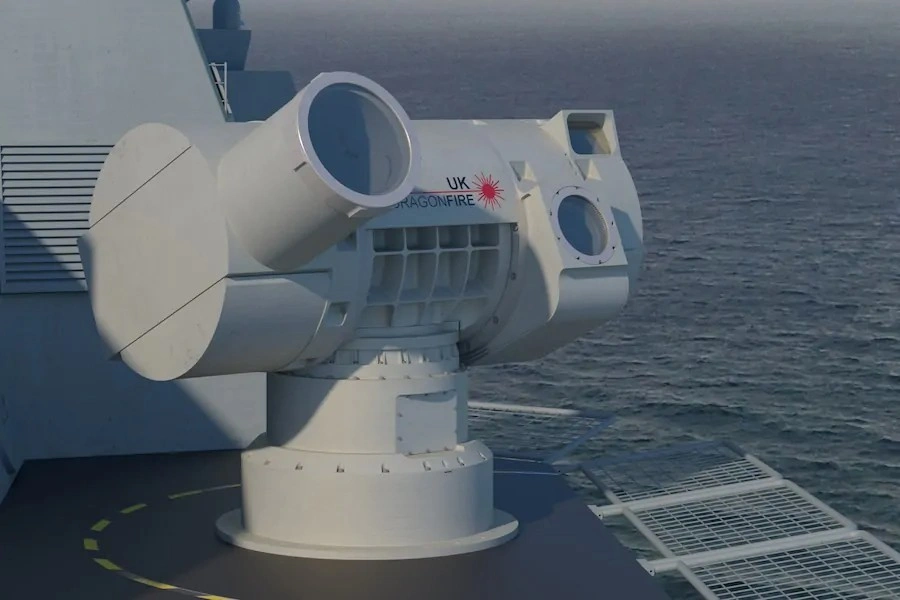
UK Defence Tech Accelerates with Breakthroughs in Robotics, Undersea Systems and AI




By Oliver Grant
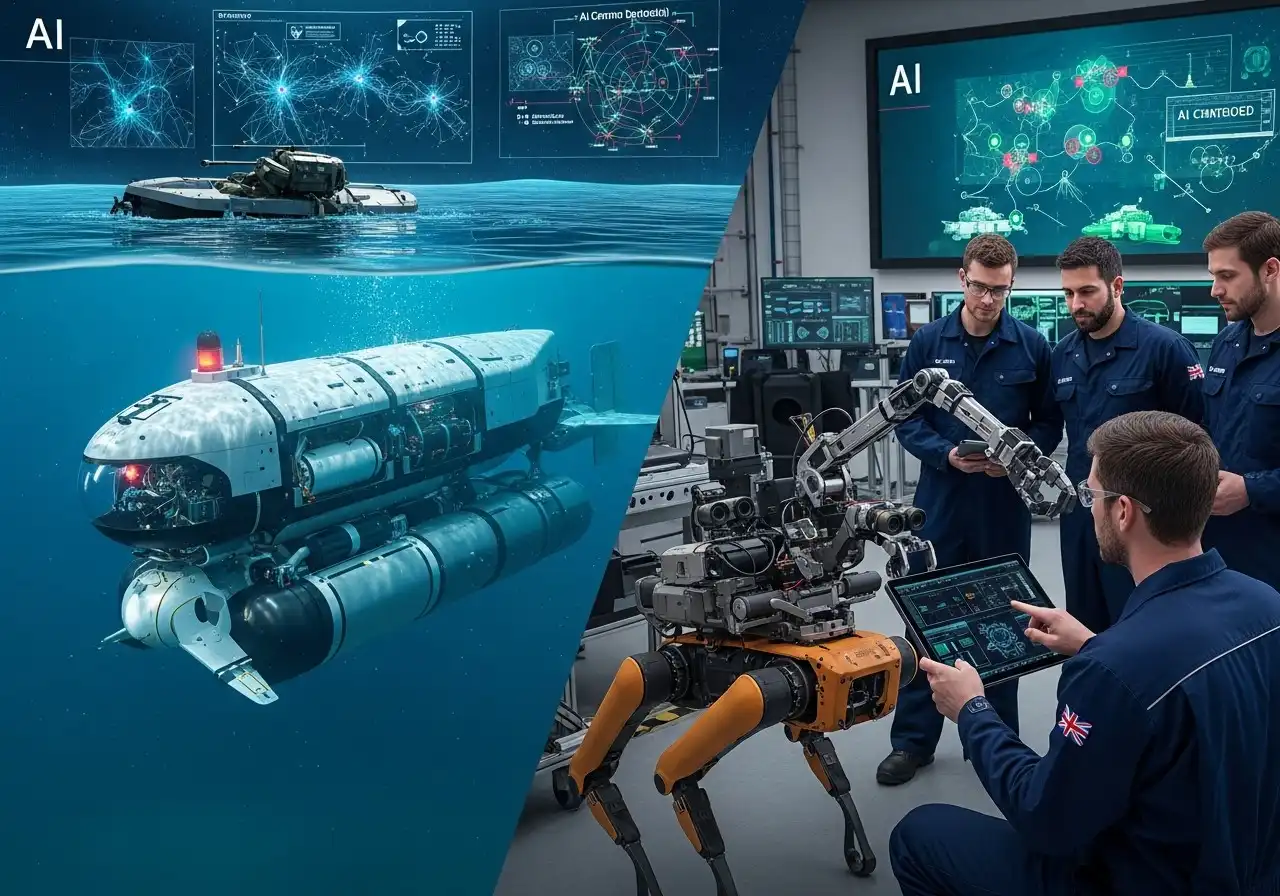
The Ministry of Defense (MoD) is spending more money on robots, AI, and other high-tech systems that can work underwater. This is one of the biggest changes in military technology in a long time. The campaign is happening because tensions are rising around the world and the UK is under more pressure to protect its important land and marine resources.
Central to this transformation is the Atlantic Bastion programme, a newly unveiled initiative designed to strengthen the UK’s maritime security in the increasingly contested North Atlantic. Announced by Defence Secretary John Healey, the project aims to fuse together autonomous drones, AI-driven sensors, patrol aircraft and crewed naval vessels into a unified “hybrid force.” Its primary mission: safeguarding undersea cables, pipelines and other assets that underpin Britain’s economy and national security.
Officials say the move is a direct response to a surge in Russian underwater activity across the North Atlantic—an area regarded as vital not just to the UK but to NATO’s wider defensive posture. Millions of pounds have already been channelled into early development, with 26 UK and European technology companies submitting proposals to support the next wave of anti-submarine detection tools.
Atlantic Bastion is different from other naval battles because it doesn't follow the rules of traditional naval combat. In addition to submarines, frigates, and destroyers, the project includes other types of ships. It also uses robotic surface vehicles that can find even the smallest underwater traces, AI-powered acoustic tracking devices, and gliders that drive themselves. These gadgets send real-time data back to a single digital command hub so that Britain can learn more about what is going on under the waves.
The SG-1 Fathom glider is one of the more interesting platforms. It's a stylish, long-range, self-driving drone that can go underwater. The glider may secretly look for strange activity in the deep ocean for months and send its findings to the rest of the network. Some analysts call it "a submarine scout that never sleeps."
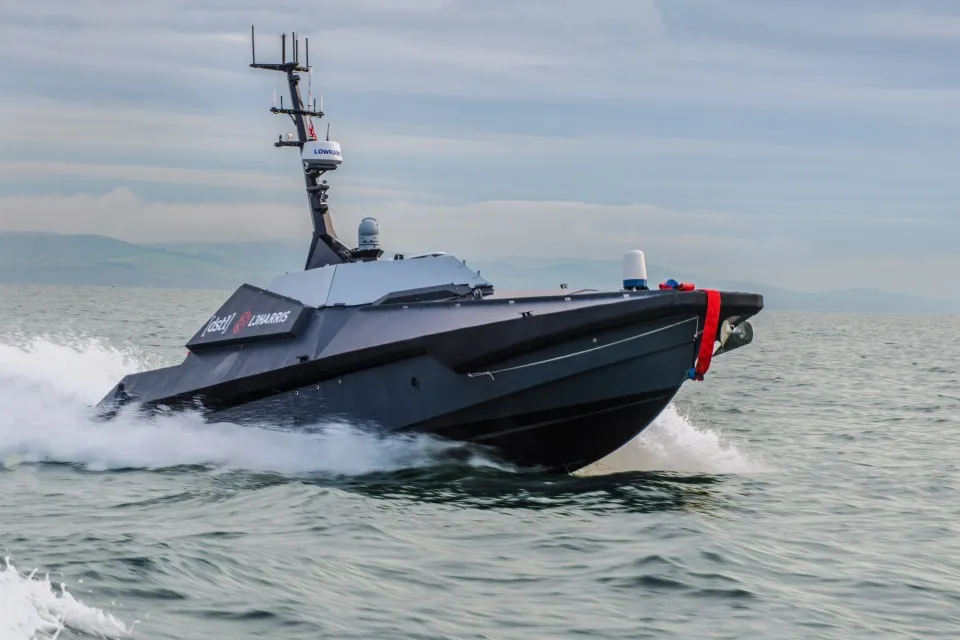
You can also get modern technology on land in the UK. Defense experts are testing ground robots that can disarm bombs, gather information, and help soldiers on the front lines. These systems might make people feel safer working in places that aren't stable. The development of self-flying planes is moving forward in the sky. For example, the Navy can use Leonardo's Proteus rotorcraft for resupply, reconnaissance, and other tasks without putting pilots in danger.
Military planners say that these new AI-based tools will change how quickly and accurately decisions are made on the battlefield. Artificial intelligence (AI) systems promise to help people learn about events faster and make better use of the resources that are available by combining data from satellites, sensors, drones, and ships. But this field is changing quickly, and the MoD knows that as autonomous weapons get better, there may be big moral and legal problems that come up.
Senior defense officials say it's time to accept new ideas. The most recent Strategic Defense Review says that we need "smarter systems, not just more steel" to deal with current problems. It also says that automation will have a big effect on future wars. The UK government thinks that the Kingdom is in a good position to lead the way in next-generation security technology because its defense technology sector is growing and making more partnerships with European and international groups.
But problems still exist. How well AI works in the military, how well people are held accountable for their choices, and how well systems are protected from cyberattacks will all affect how Britain adapts to this new era.
There is no doubt that the UK's defense strategy will change a lot, and people and machines will work together more. As new technologies move from the lab to the battlefield, Britain needs to think about the pros and cons of high-tech warfare in a world that is changing quickly.
Tech