
MBDA UK wins £316 million contract for laser-based anti-drone technology for the Royal Navy




By Oliver Grant
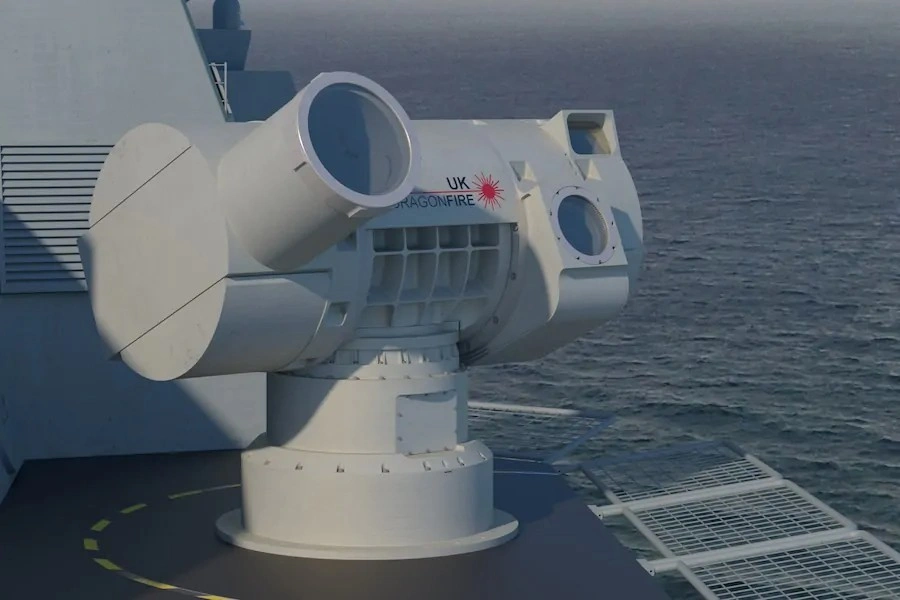
The UK government has awarded defence manufacturer MBDA UK a £316 million contract to deliver the first operational batch of its DragonFire laser weapon system, marking a major step forward in the military’s efforts to counter fast-emerging drone threats.
The system, which has been in development for several years through a partnership involving MBDA, Leonardo UK and QinetiQ, will form part of a wider modernisation programme aimed at strengthening Britain’s defensive capabilities against low-cost, high-speed aerial attacks.
A new tool against drone warfare
Laser-based weapons are viewed as a significant shift in defence strategy. Instead of firing missiles costing hundreds of thousands of pounds, DragonFire uses a highly focused beam of light to disable or destroy hostile drones. Once installed — currently expected by 2027 on a Type 45 destroyer — the system will be able to track and neutralise targets at long range.
Defense officials say that one of the main benefits is the low cost. Each firing costs about £10, which is a lot less than the cost of traditional interceptors. This could change how the Royal Navy responds to swarm attacks and other asymmetric threats, since the service is dealing with more and more erratic drone activity in disputed waters.

A step forward for the UK's defense sector
The contract is also expected to help hundreds of specialized engineering and manufacturing jobs in the UK. The government wants to make Britain a leader in the growing global market for directed-energy weapons by investing in systems like DragonFire.
Industry analysts say the programme will feed research into related technologies — including advanced sensors, power-storage systems and tracking software — which could later find civilian applications in fields such as aviation, energy and robotics.
Why it matters
The deal underscores how quickly modern warfare is changing. With drones becoming cheaper, more agile and more widely used in conflict zones, the UK is under pressure to find cost-effective ways to defend ships, bases and critical infrastructure.
DragonFire represents one of the most ambitious attempts yet to produce a home-grown high-energy laser weapon capable of front-line service. If successful, it could reshape the Royal Navy’s defensive toolkit — and signal that Britain intends to remain a serious technological player in the next era of military innovation.
Tech