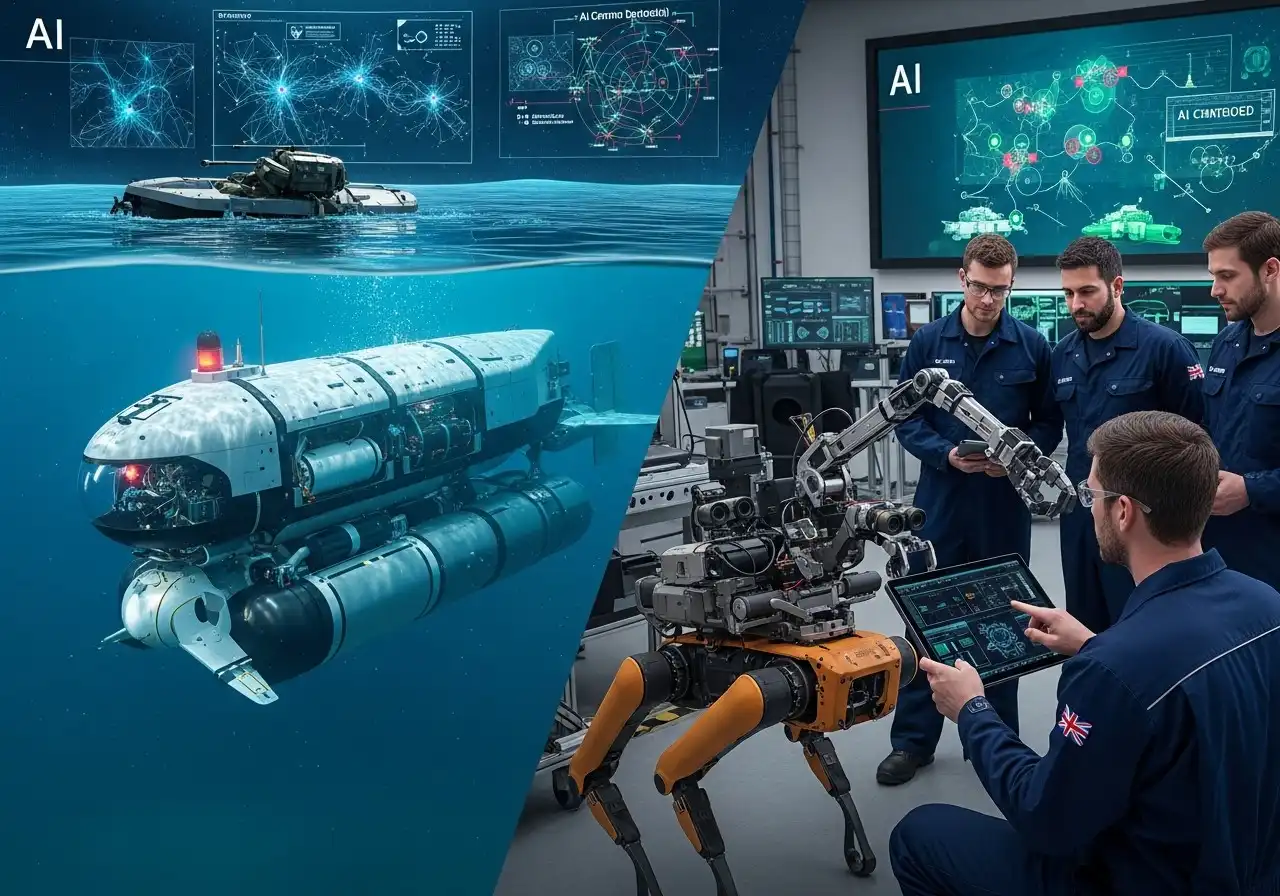



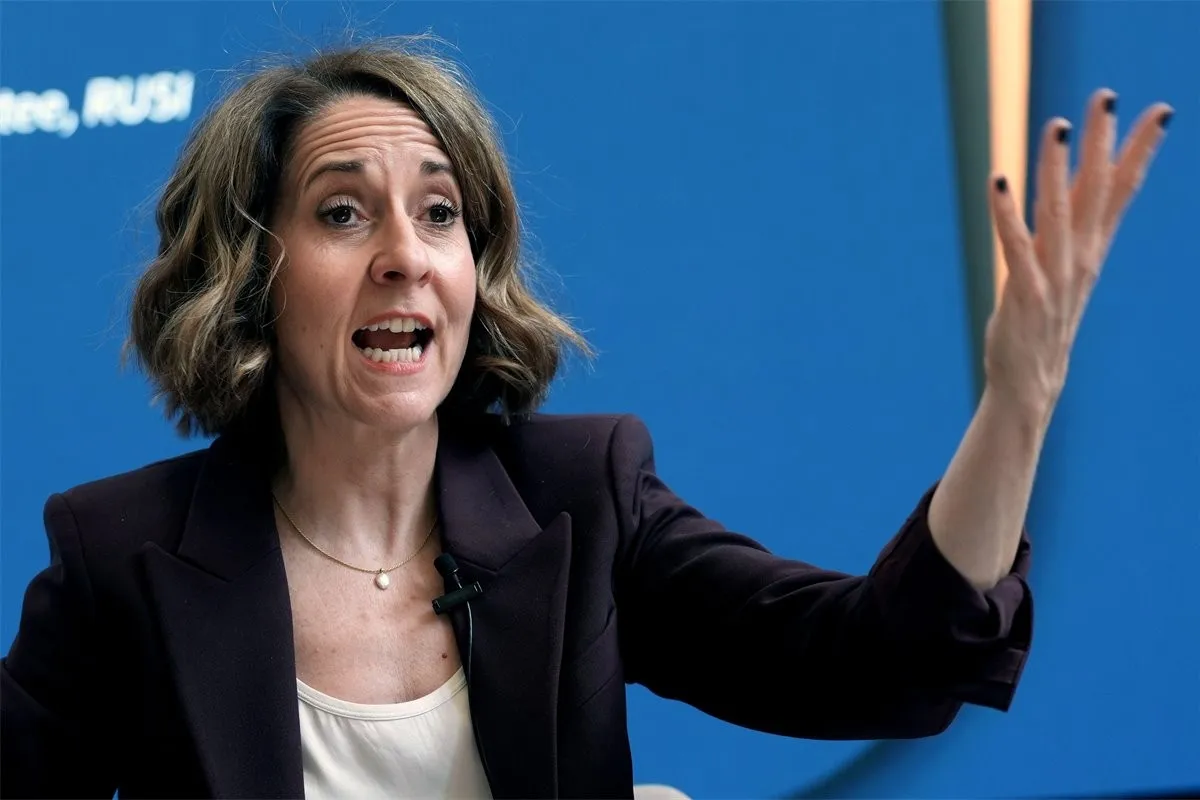


Britain must take charge of artificial intelligence or risk being left at the "mercy and whim" of a future it had no hand in building, Technology Secretary Liz Kendall has warned. In a direct address to the nation, Kendall said the UK faces a choice — shape its own AI story, or have that story written by others.
"The choice isn't between a world that has AI and one that does not," she said. "It is a choice between a world where we shape our AI future, based on our own interests and values, or where we are left at its mercy and whim."
Her warning lands at a time when concern is building that Britain is losing its grip in the global AI race. The numbers tell their own story. Five American companies — Amazon, Google, Meta, Microsoft, and Oracle — now hold around 70% of global AI computing power, up from 60% just a year ago. In other words, the infrastructure that powers the technology the world depends on is increasingly concentrated in the hands of a few firms based across the Atlantic.
"Control of this incredibly powerful technology is becoming increasingly concentrated," Kendall said. "We must shape this technology, not just be shaped by it."
Labour's response to the gap
To close that gap, the government has taken its first concrete steps. Labour this month launched a state AI investment fund, committing an initial £500 million to back domestic firms. Kendall also revealed that ministers are drawing up plans to get Britain involved in designing and manufacturing the chips that sit at the heart of AI systems — a move seen in Westminster as essential to long-term independence from foreign suppliers.
She was careful, though, to frame this push for British AI capability as something that strengthens — rather than strains — ties with the United States. "This should not be seen as weakening our deep, close and enduring relationship with the US," she said, a nod to a relationship that both sides of the debate are anxious to protect.
A reality check on the ground
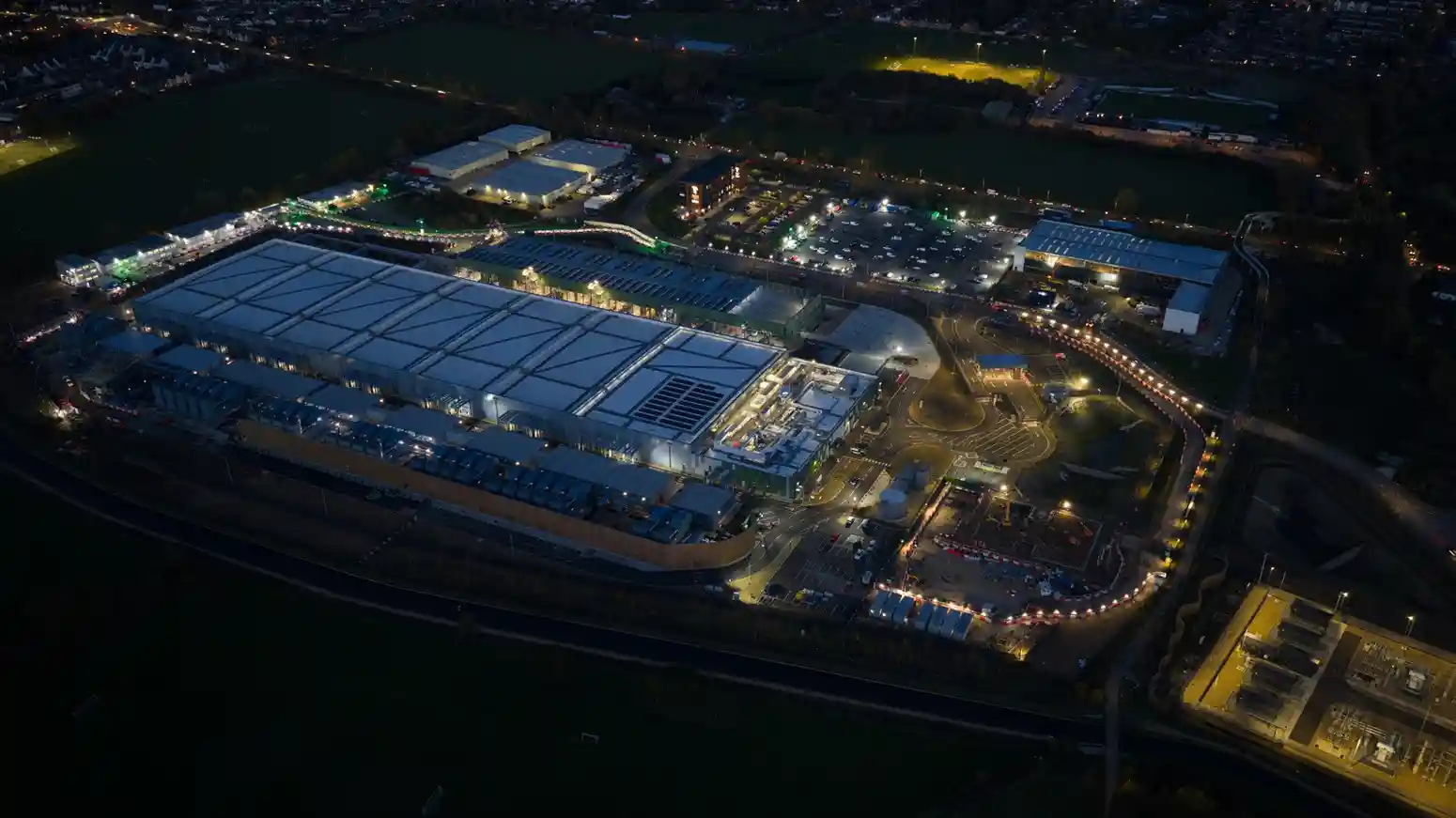
Despite the government's ambitions, the reality on the ground is harder to ignore. OpenAI, the US firm behind ChatGPT, has put the brakes on a planned multi-billion pound data centre project in Britain, pointing to high energy costs and regulatory uncertainty as the main obstacles. Separately, an investigation found that many of the headline deals announced to bring AI investment into the country had yet to produce anything tangible — with one supercomputer due to go live this year still sitting as a scaffolding yard on a site in Essex.
Nick Clegg, the former deputy prime minister who until recently held a senior position at Meta in Silicon Valley, struck a bleak tone last week. He said Britain was "without a single steam engine" in the AI revolution, held back by energy pricing and an unresolved dispute over copyright rules for AI training data. His comments drew widespread attention and, for many, summed up a frustration that good intentions are not yet translating into action.
Britain is not short of talent. It is home to Google DeepMind, one of the most respected AI research labs in the world, and produces a steady flow of graduates and researchers who are sought after globally. But experts argue that talent without infrastructure is like having an engine without a road to drive on.
No pause — but on whose terms?
Kendall also hit back firmly at those calling for a halt to AI development. MPs were recently lobbied by the campaign group PauseAI, which wants governments to stop building the most powerful AI systems until safety guarantees are in place. Kendall had little time for the argument.
Stopping now, she said, would be a "betrayal of British talent and British interests." The technology is coming regardless. The only question is whether the UK helps build it — or simply uses what others decide to sell it.
For a government still working to prove it can match its ambitions with results, Kendall's speech sets a high bar. Britain has the researchers, the reputation, and now the stated political will. What it needs next is the infrastructure to back it all up — and it needs it before the window closes.
Tech