UK Police Investigate 'Death to the IDF' Chant at London Al-Quds Day Protest



In Brief
Metropolitan Police are investigating footage of a 'death to the IDF' chant at a London Al-Quds Day protest, after videos appeared to show Bob Vylan vocalist Pascal Robinson-Foster leading the crowd. The march was banned by authorities; a static protest near the Thames went ahead with around a thousand officers deployed and 12 arrests made.


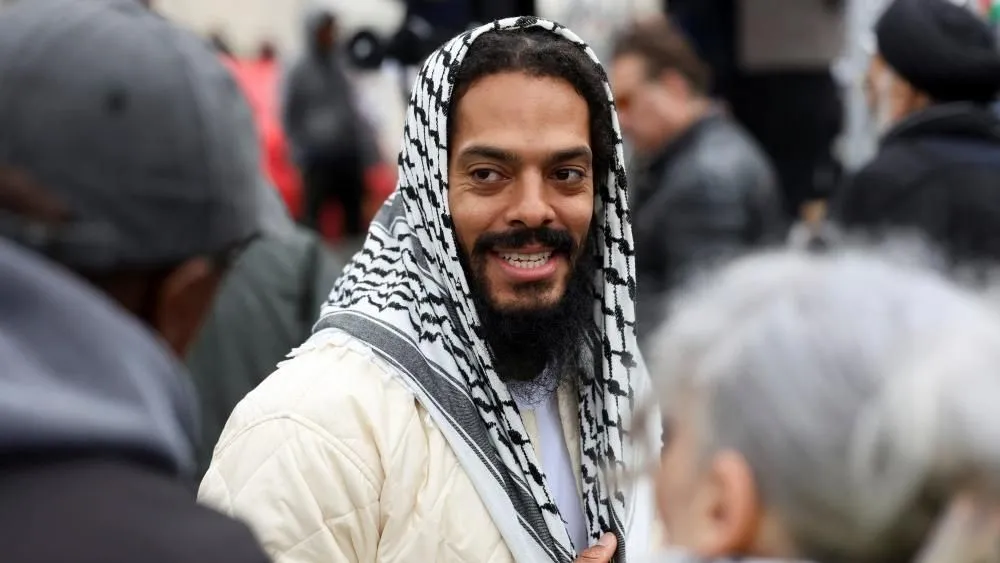
A musician led cries of "death to the IDF" during an Al-Quds Day protest in downtown London, prompting UK police to open an investigation. Officers from the Metropolitan Police Service said that they are analyzing footage circulating online that appears to show Bob Vylan vocalist Pascal Robinson-Foster, also known as Bobby Vylan, encouraging the crowd to repeat the chant alluding to the Israel Defense Forces (IDF).
Videos on social media show the singer addressing the audience before closing with the chant "death, death to the IDF," which several spectators repeated. The police confirmed that they are aware of the tape and are investigating whether the remarks may constitute a criminal violation under UK public order or hate speech laws.
Authorities admitted that the rhetoric used at the protest had raised concerns, particularly among London's Jewish community. In a statement, the Metropolitan Police said they understand the anxiety sparked by such shouts and are determining if the evidence satisfies the standard for potential legal action.
Police are looking into whether the chants at an Al-Quds Day protest in London went too far and could be seen as inciting criminal behavior. The incident with musician Pascal Robinson-Foster has made some community groups worried and started a new debate about the limits of protest speech, especially since tensions are still high over the Israel-Gaza conflict.
Role of the Crown Prosecution Service
The investigation may include contact with the Crown Prosecution Service (CPS), which decides whether criminal charges should be filed in England and Wales. The CPS confirmed knowledge of the incident and underlined that each case presented by police is thoroughly investigated to assess if there is sufficient evidence to prosecute and whether a prosecution would be in the public interest.
Officials clarified that hate-filled shouting or the display of offensive flags could be criminal if it escalates from a peaceful demonstration to something threatening or abusive. However, prosecutors face a complex legal terrain when it comes to free speech and political dissent, which can make the decision to file charges a tricky one.

Protest Held After March Ban
The demonstration took place on Al-Quds Day, an annual event held in cities around the world to show solidarity with Palestinians and oppose Israeli rule of Jerusalem. The event was founded following the Iranian Revolution in 1979 and is often celebrated on the last Friday of Ramadan.
In London, however, authorities decided to cancel the event's traditional march after police warned of an increased danger of disorder. Shabana Mahmood, the UK's Home Secretary, gave the green light to the ban. This followed a request from the Metropolitan Police for emergency powers, aimed at stopping a massive procession from taking place across the city.
The ruling meant that organizers couldn't arrange a march through the streets like they had in previous years. Instead, activists were allowed to stage a static protest along a restricted length of the River Thames between Vauxhall Bridge and Lambeth Bridge.
Heavy Police Presence and Arrests
A significant police presence was deployed to handle the unfolding events. Around a thousand officers showed up, their main job was to keep the protestors and their opponents from clashing. The police also utilized the River Thames as a physical barrier, deploying officers and patrol boats along its course to keep the two sides apart.
Despite the restrictions, hundreds of people participated in both the protest and the counter-demonstration. The Metropolitan Police claimed 12 persons were arrested during the event for a variety of offenses, including showing support for a prohibited organisation, affray, dangerous driving, and threatening or aggressive behavior.
Officials said the lower-than-expected turnout indicated that the march's restrictions and ban had discouraged some people from attending. According to senior cops, the static arrangement made crowd control easier and reduced the likelihood of confrontation.
Demonstration Atmosphere
At the Al-Quds Day rally, demonstrators waved Palestinian flags and held up signs showing their support for Gazans. Several posters voiced solidarity with the Palestinian people and condemned the Israeli military's actions. Several marchers also carried portraits of the late Iranian leader Ali Khamenei and posters urging people to "choose the right side of history."
Slogans heard during the gathering included "Free Palestine" and "from the river to the sea." Some detractors contend that the latter slogan advocates for Israel's annihilation, but supporters say it reflects a cry for Palestinian freedom and equality.
Counter-Protest on the Opposite Side of the Thames
A counter-demonstration took place on the opposite bank of the river. Stop the Hate UK and Iranian opposition groups met to denounce the Al-Quds event. Counter-protesters waved Israeli flags and carried posters criticizing Hamas and expressing solidarity with Israel.
Police kept a strict distance between the two sides throughout the afternoon, and officers escorted both groups as they dispersed at the end of the legal protest period.
Previous Controversy Involving the Same Chant
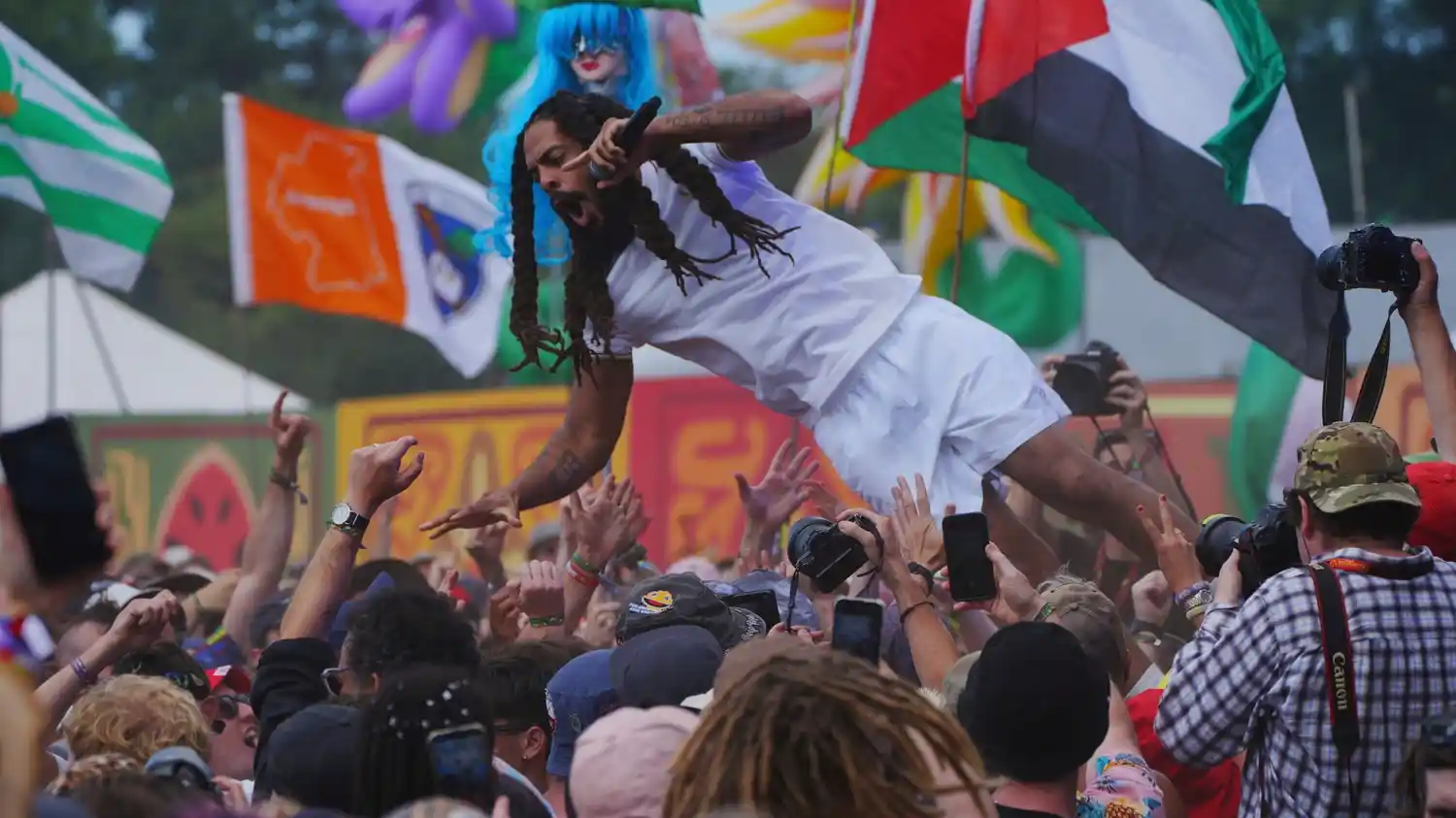
The probe into Robinson-Foster's shout comes after a similar scandal at last year's Glastonbury Festival. During the event, he also incited a crowd to chant, "death, death to the IDF," which triggered a police probe.
Upon reviewing the evidence, authorities concluded that the statements didn't warrant criminal prosecution. The circumstances highlighted the intricate legal landscape that dictates the rules around political speech and protest communication in the UK.
Ongoing Debate Over Protest and Free Speech
The recent event has reignited discussions about the boundaries of free expression at political demonstrations. Certain community leaders and politicians assert that calls for violence against military personnel amount to incitement, further fueling hostility directed at Jewish communities.
Others argue that protest chants, especially contentious ones, can come under the category of protected political expression unless they blatantly promote violence or target individuals directly.
For the time being, the Metropolitan Police Department said it will continue to analyze available footage and evidence before deciding whether to refer the matter to prosecutors for further action.
Reporting for this story drew on coverage from BBC, The Standard, and The Mirror.
Investigation