Factory Smell Investigation Results Due in Spring




In Brief
An investigation into a Bradford rendering plant blamed for a years-long community stench is due to conclude by spring 2026. More than 1,800 residents signed a petition against P Waddington and Co, with councillors describing the smell as "gut-wrenching." The council has hired specialist odour consultants. Enforcement action is possible in the autumn.


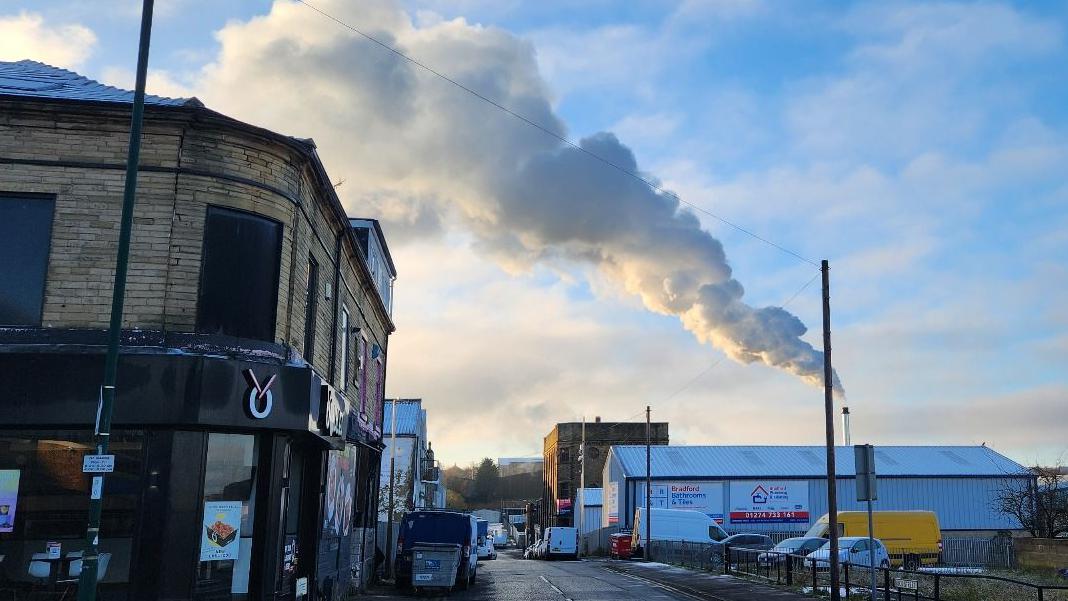
On a warm afternoon on Leeds Road, the smell arrives before you can see where it is coming from. It drifts down from the direction of Hammerton Street — heavy, sweet and unmistakably organic. Shopkeepers say they have learned to breathe through their mouths. Residents, some of whom have lived in this part of Bradford for thirty years, say they have simply stopped opening their windows.
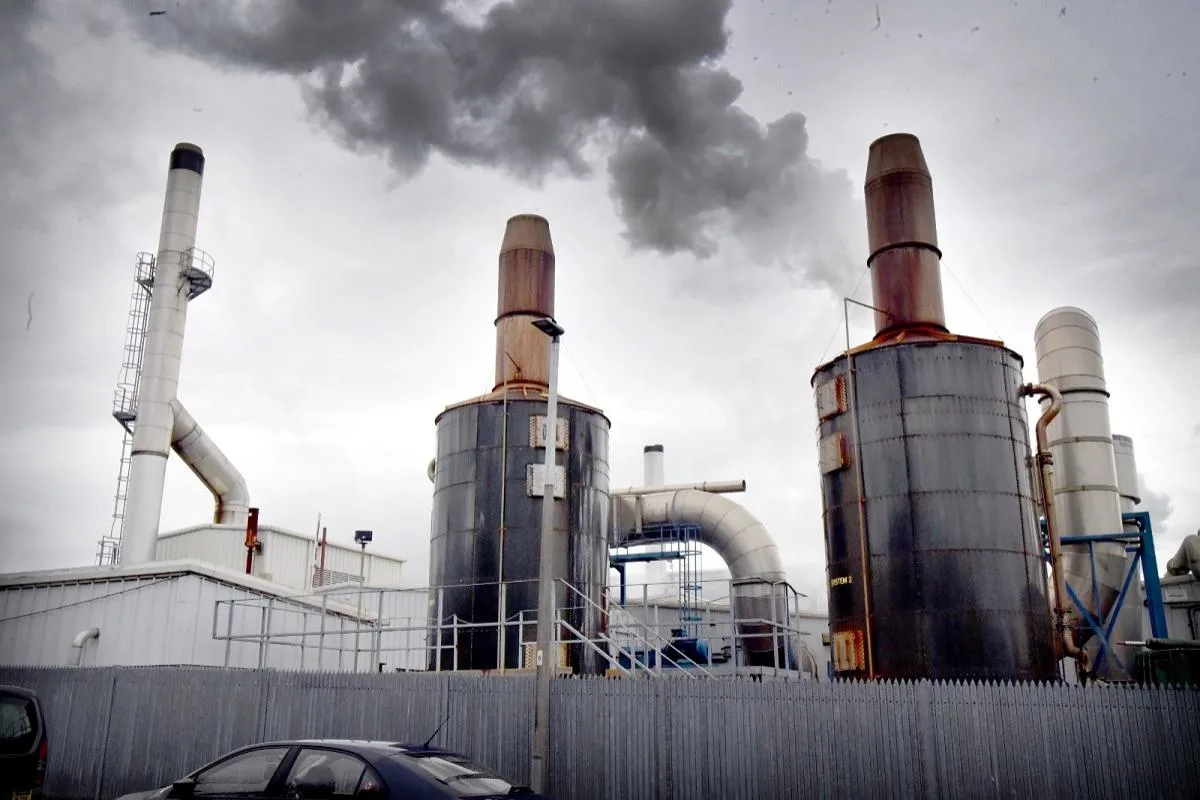
The source, according to those who live and work nearby, is P Waddington and Co, a rendering plant that processes dead livestock, roadkill and animals from zoos into biofuels and other industrial by-products. The company has operated in the area for decades. But the complaints — which were always present — have grown louder in recent years, and last year they reached a point where more than 1,800 residents put their names to a formal petition demanding the plant's operations be suspended until an independent environmental review had been completed.
Now, following months of preparation, Bradford Council has confirmed that its investigation into the site is expected to conclude by spring. What happens next — including whether any enforcement action will be taken — is due to be decided in the autumn.
A Community Pushed Beyond Its Patience
The petition was brought to the council by Ummer Daraz, a local campaigner who has become one of the most prominent voices in the fight against the smell. He was careful, in his evidence, not to resort to hyperbole. He did not need to. The facts, as he laid them out, spoke with enough force on their own.
"People in the area's lived reality is that the stench travels from beyond this site," Daraz told councillors. "It has been going on for decades and is persistent and increasing; the community are being asked to live with a recurring stench."
He described residents who could not open their windows on summer evenings. He described businesses along Leeds Road who felt the smell had damaged their reputation and driven customers away. He described a community that had, in his words, been left to absorb the costs — social, economic and personal — of an industrial process that benefited someone else.
The council meeting on Thursday heard something that elevated the complaint beyond inconvenience. Residents had not merely been subjected to a persistent odour — they had reportedly found bone ash falling on their properties. The Local Democracy Reporting Service confirmed that claim was placed before elected members. It is the kind of detail that shifts a conversation. An unpleasant smell is one thing. Airborne material from the processing of animal carcasses landing in your garden is another.
"Gut-Wrenching" — The Words of a Deputy Council Leader
It is not often that a senior elected official reaches for that particular phrase when speaking in a formal council session. But Deputy Leader Imran Khan, whose ward sits in the affected area, was not inclined to soften what he has experienced firsthand.
"A foul stench hangs over my ward," Khan told the meeting. "This situation can't continue."
He called the smell "gut-wrenching" and described it as "so embarrassing for our city." Those are not the words of a politician reading from a briefing note — they are the words of someone who has walked through that air and been ashamed of it.
Councillor Ian Parsons, meanwhile, raised a question that had clearly been bothering him for some time. A report submitted to the council by Waddingtons in January showed that the flow rate of one of the plant's flues was running at half its required capacity as recently as June 2025 — seven months before the report was received. The issue may, the council was told, have since been rectified. But the fact that it was the company itself supplying the data gave Parsons pause.
"It seems as though Waddingtons is marking its own homework," he said.
It was a line that landed. The independent investigation the council has commissioned is, in part, a response to exactly that concern.
What the Council Has Done — and What Comes Next
Officers told the meeting that the council has retained a specialist odour consultancy and laboratory service to carry out the investigation. New staff have also been hired specifically to handle the volume of complaints the authority has been receiving. These are not cosmetic responses — they represent a meaningful commitment of resource to a problem that, for a long time, was met with relatively little institutional urgency.
The investigation is focused on whether the plant is operating within the terms of its environmental permit and whether it is genuinely using the best available techniques to limit odour escaping the site. Those are regulatory standards, not vague aspirations. If the investigation concludes that the company is not meeting them, the council has tools available — improvement notices, enforcement action, and potentially more serious sanctions — that it could choose to deploy in the autumn.
Councillors voted on Thursday to allow the investigation to run its course before any decisions on next steps are made. That is a defensible position. It is also the position that carries the most weight in any subsequent legal challenge, should the council eventually move to compel changes at the site. Building a proper evidentiary record now protects the council's position later.
For residents who have been waiting years for that record to be built, the vote will have felt like a slower kind of justice than they wanted. But it is justice of a kind — a formal acknowledgement, by elected members and senior officers, that this community's complaint is real, that it is serious, and that it deserves a proper answer.
What the Company Says
P Waddington and Co has not gone unheard in this process. Alistair Collins, the company's director, said Waddingtons operates within the terms of its environmental permit at all times and uses the best available techniques to prevent odour from leaving the site.
"We appreciate the concerns of the local community and are happy to continue to co-operate with the council's investigations and share relevant information when it is requested," Collins said.
That is a measured statement, carefully worded. It does not dispute that a smell exists. It does not claim the community's complaints are unfounded. What it claims is compliance — and compliance, in environmental regulation, is ultimately a question for independent inspectors to judge, not the regulated party itself.
The company's co-operative tone is noted. It will be tested against whatever the odour consultants find.
The Wider Question: Who Bears the Cost of Industrial Proximity?
Bradford is not the only city in England with this kind of dispute running quietly in its background. Up and down the country there are communities living close to rendering plants, chemical facilities, water treatment works and other industrial sites whose operations produce — as an incidental consequence of otherwise lawful activity — effects that their neighbours did not choose and cannot easily escape. The legal frameworks that govern those effects are real. The enforcement of those frameworks is patchy.
What makes the Bradford case notable is the scale of the community response. More than 1,800 signatures is not a fringe protest — it is a substantial proportion of a residential area putting its name to a formal demand for action. It reflects not just frustration with a smell, but a deeper sense that the people who live closest to industrial sites carry a disproportionate share of the costs, while the benefits of those operations — jobs, tax revenue, useful by-products — flow elsewhere.
Ummer Daraz, in his evidence, put it plainly: the factory had a "massively disproportionate impact" on the city. That phrase will resonate with anyone who has thought carefully about how planning decisions, permit conditions and enforcement practices distribute the consequences of industry across urban populations. It is not, at its core, a complaint about a smell. It is a complaint about fairness.
Spring Will Come Quickly
Bradford's residents near Hammerton Street are not asking for the impossible. They are not asking for the plant to be closed overnight, for its entire operating model to be dismantled, or for decisions to be made without due process. What the petition asked for was a pause — a suspension of operations while an independent review took place — and what they received instead was the promise of an investigation, now due to report within weeks.
Whether that investigation leads to anything tangible will depend on what the odour consultants find, what the laboratory data shows, and what political will the council is prepared to exercise in the autumn. None of those outcomes are guaranteed.
But for a community that has been breathing the same air for decades without much in the way of institutional acknowledgement, the fact that an investigation exists at all — staffed by new officers, supported by external specialists, and timetabled for a public outcome — is a form of progress. Not enough, perhaps. But not nothing.
Spring, in Bradford, arrives sometime between March and May. The report, when it comes, will tell the city something important — not only about P Waddington and Co, but about what kind of place Bradford intends to be for the people who live in it.
Investigation