The revamp of the British passport will begin this month. The Home Office describes the shift as the beginning of a "new era." It is the first complete makeover of the travel document in five years.
What has altered?
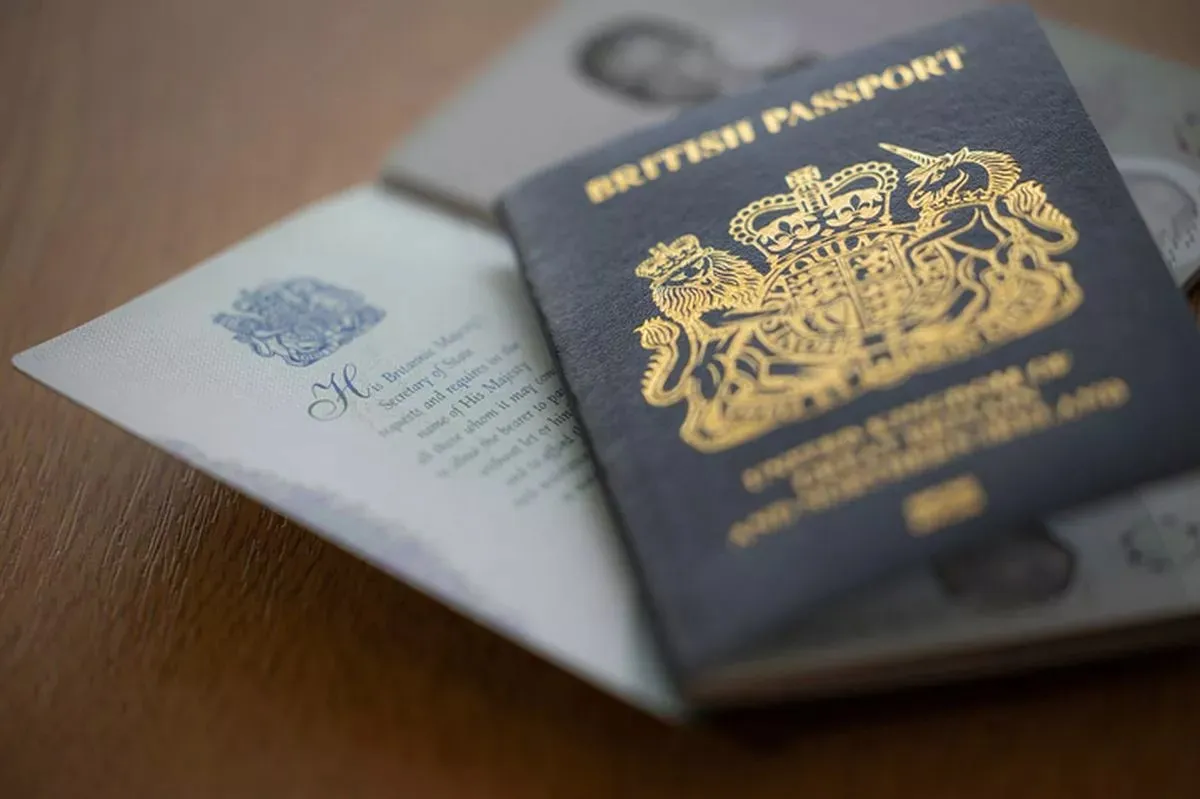
The most significant alteration is that King Charles's reign is now depicted on the royal coat of arms rather than Queen Elizabeth II's. Compared to the one the King selected for his royal cypher in 2022, the crown at the top of the crest is more rounded and intricate. It is based on the Tudor Crown, which explains why. During the late Queen's reign, the St. Edward's Crown was in use.
The regal phrase "God and my right" is more prominent, and the shield is larger and more intricate, among other minor adjustments. On either side of the crest, the elegant unicorn and lion have slimmer body proportions and sharper face features.
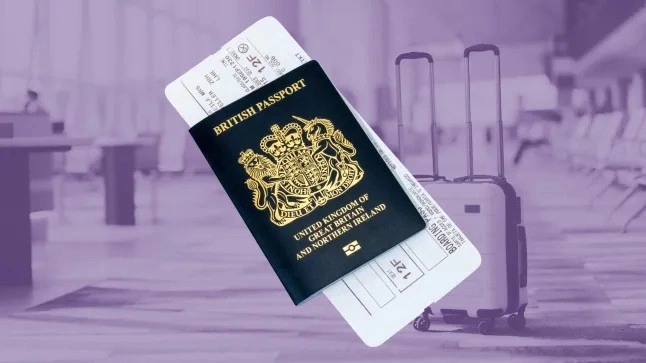
Photographs of well-known UK natural locations, such as Ben Nevis, the Lake District, Three Cliffs Bay, and the Giant's Causeway, will appear on the passport's stamp and visa pages.
Why is a redesign of the design necessary?
Periodically, passports undergo redesigns, particularly in the wake of significant political or constitutional changes. Queen Elizabeth II completed more than 70 years of paperwork before issuing the first passports with the name "His Majesty" in 2023.
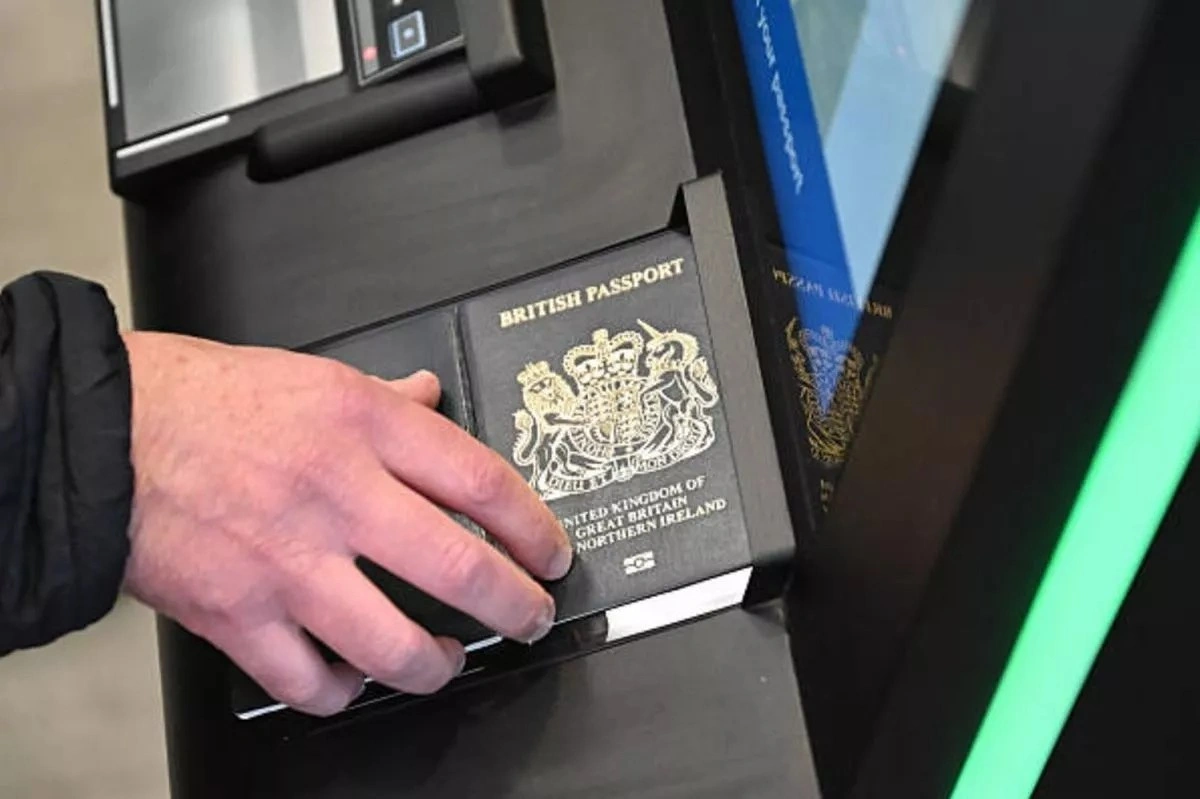
Compared to the burgundy passport design that had been in use since 1988, the return of blue passports following the UK's exit from the EU in 2020 represented a more significant shift.
Better security features, such as new holograms and see-through sections on the photo page, are also included in the most recent version. These measures, according to the Home Office, make it more difficult for border officers to verify the document and for those who fabricate documents to do so.
The Home Office claims that as part of the proceeds are used to fund border security and overseas consular services, it does not profit from passport fees.
Original references
Sources & further reading
Exact external reference links were not provided in this source record. Unverified citations have not been added.