Trump’s Greenland Remarks Spark UK and NATO Concern as Allies Urge Restraint




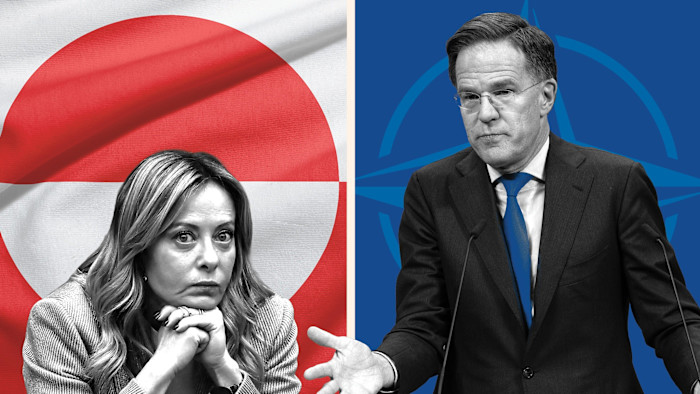
It was never intended to become a defining moment. Yet a passing remark has quickly grown into something far more serious, pulling governments from Washington to Westminster into an uneasy and unexpected debate. Donald Trump’s renewed focus on Greenland has unsettled capitals across Europe, dragged NATO into the discussion and reopened long-standing questions about security in the Arctic — a region already undergoing rapid change.
When asked about America’s interests in Greenland, the former US president declined to rule out the use of force. Few diplomats believe such a scenario is likely. Even so, the choice of words alone has been enough to raise concern among allies, including the UK, at a time when trust between governments is under visible strain.
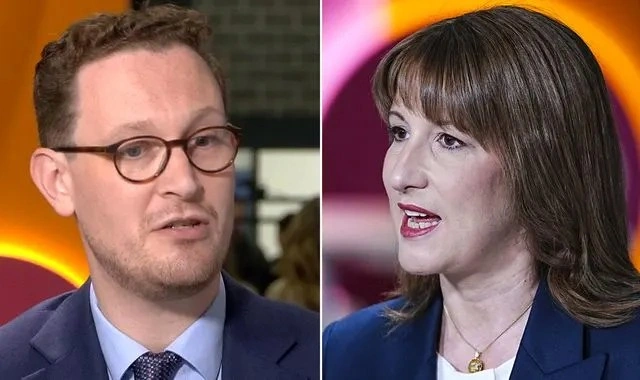
In Parliament this week, ministers moved to lower the temperature. Prime Minister Sir Keir Starmer and Foreign Secretary Yvette Cooper both underlined that Britain’s position remains rooted in international law and respect for the sovereignty of close partners.
Ms Cooper told MPs that Greenland’s future “belongs to the Greenlandic people and the Kingdom of Denmark”. The message was clear, and deliberately so. From the government benches, the emphasis was on diplomacy over confrontation — and on avoiding language that could inflame an already sensitive situation.
Away from the chamber, officials say the UK is in regular contact with Washington and European allies, but the focus is firmly on restraint. Sir Keir has been especially direct about the risks of economic pressure, describing talk of tariffs against allies as “completely wrong”. Such moves, he warned, could damage relationships that have taken decades to establish.
The concern is not confined to London. In European capitals, including Paris, Berlin and Rome, leaders have voiced fears that the rhetoric surrounding Greenland could place unnecessary strain on NATO unity. Diplomatic sources say discussions have taken place behind closed doors as allies try to prevent the issue escalating further.
One senior European official characterised the situation as a “dangerous downward spiral”, warning that careless language can carry long-term consequences. The row has also edged into economic territory. Mr Trump has suggested tariffs of up to 10 per cent on imports from Denmark, the UK and other European countries if concessions over Greenland are not forthcoming.
Economists say the timing would be difficult. Many British exporters are still adjusting to post-Brexit trading realities, and additional barriers would only add to existing pressures.
Greenland may be geographically distant, but its strategic importance is growing. As Arctic ice retreats, new shipping routes are emerging and the region’s natural resources are attracting increased global attention.
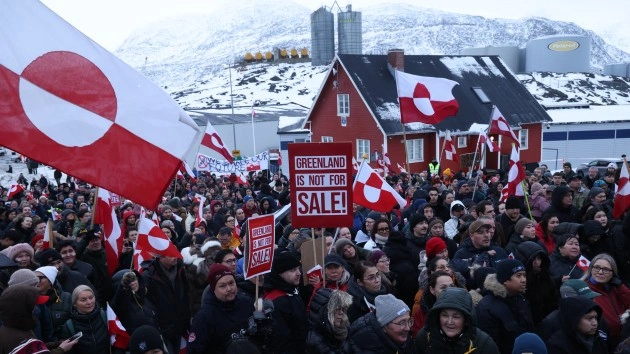
In Denmark and Greenland, reaction has been swift and vocal. Protests under the slogan “Greenland is not for sale” have drawn large crowds, reflecting deep unease about external interference.
For Sir Keir Starmer, the task is a familiar one: maintaining close ties with Washington while standing firmly alongside European allies and defending principles such as sovereignty and self-determination.
As the Prime Minister told Parliament, Britain will continue to stand with its friends — but not at the expense of the values that underpin those alliances.
UK News