
Disabled People in England to Get 24/7 Free Bus Travel as Andy Burnham Removes Restrictions




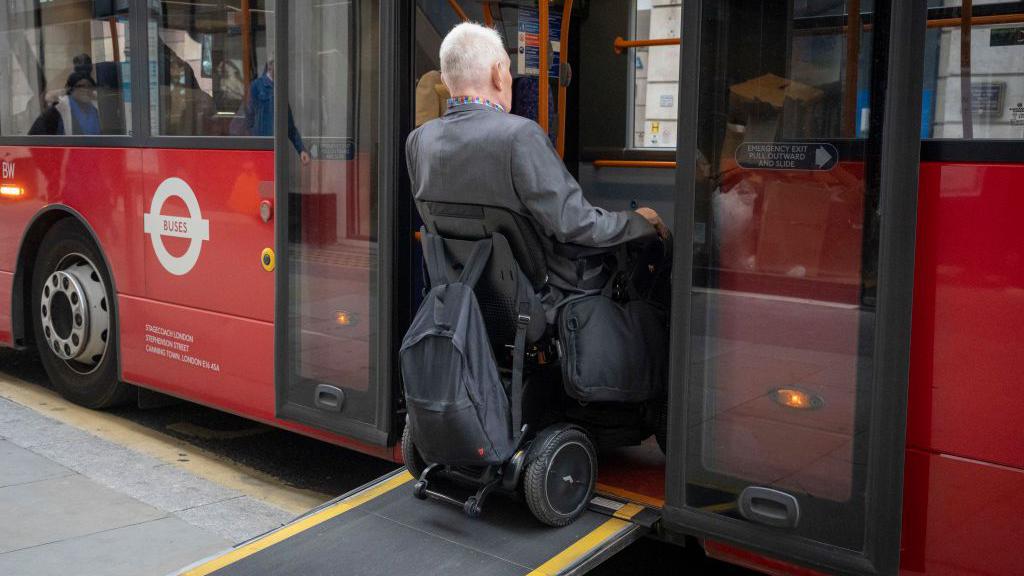


People with disabilities across England will be able to use their free bus passes at any time of day from April 2027, after Prime Minister Andy Burnham announced plans to lift the travel restrictions that currently apply on weekday mornings. The change means many disabled passengers will finally be able to use their concessionary passes during peak hours, something that is barred in most of the country today.
Under the current system, disabled bus pass holders in most of England can only travel free on local services between 9.30am and 11pm on weekdays, though a number of local authorities already fund extra hours on top of that. From 2027, eligible passengers will be able to travel free at any time, including early mornings, evenings and weekends, replacing the current patchwork of local rules with one national standard.
Burnham described buses as a "lifeline" for disabled people trying to reach work, education, healthcare and other essential services. The £60m expansion will be jointly funded by the Department for Work and Pensions and the Department for Transport, and mirrors a policy Burnham already introduced for disabled travellers in Greater Manchester during his time as mayor there.
Government Removes Long-Standing Travel Restrictions
The removal of the time limits answers a long-running complaint from disability campaigners, who have argued that restricting travel hours creates unnecessary barriers. Under the old rules, many disabled passengers could not use their pass for early-morning trips, making it harder to reach jobs, school runs, medical appointments and other everyday commitments.
Campaigners have described the previous system as a "postcode lottery," since some councils chose to fund extra hours of free travel while others stuck to the national minimum. The new policy replaces that variation with one consistent standard across England.
Disability charity Mencap welcomed the announcement, pointing to the additional living costs disabled people already face and arguing that unrestricted free travel will ease some of that financial pressure. Scope also backed the move, noting that many disabled people need to travel during traditional peak hours for work, education and healthcare, and that lifting the restrictions should support greater independence.
Lydia Horbury, chief executive of Bus Users UK, argued that disabled people "don't live 'off-peak lives'" and said scrapping the restrictions would give passengers more freedom and independence over how they plan their day. The policy sits within a wider government push to cut transport costs, alongside the continued £2 bus fare cap and an expansion of free travel for younger passengers.
£60 Million Funding Package for National Expansion
The nationwide change is backed by £60m in government funding, split between £40m from the Department for Work and Pensions and £20m from the Department for Transport. Officials say the money is intended as ongoing, long-term support rather than a one-off payment tied to a fixed period.
The April 2027 start date is designed to give local transport authorities time to prepare their systems, update arrangements with bus operators, and ensure the wider scheme rolls out smoothly. It marks a significant expansion of England's concessionary travel scheme, which has traditionally offered free or reduced-cost bus travel to older and disabled passengers.
Many councils already provide some extra flexibility on top of the national minimum, but the reform removes the differences between regions. Burnham has framed the change as part of a broader cost-of-living agenda, building on the accessibility reforms he championed as mayor of Greater Manchester. Supporters argue the investment could also deliver wider economic benefits by helping more disabled people reach jobs and training, while officials suggest it may reduce reliance on cars among disabled travellers.
Policy Viewed as Path to Greater Autonomy for Disabled Travellers
The change is expected to make a real difference for disabled people who rely on buses to get around day to day, since for many passengers they remain the only affordable link to jobs, hospitals, shops and community services. Supporters say lifting the restrictions recognises that disabled people need the same flexibility to travel as anyone else.
Easier access to early-morning travel should also help with medical appointments, many of which are scheduled early in the day, an area campaigners say the old restrictions made needlessly difficult. Accessibility groups have welcomed the announcement but caution that it will require close coordination between national government, local authorities and bus operators to deliver smoothly, with operators needing to update their systems ahead of the wider rollout.
The reform means disabled passengers will be able to travel by bus free of charge at any time from April 2027, rather than working around fixed off-peak windows. Ministers say the change is intended to build a more equal transport system, while disability advocates have called it an important step toward greater independence and inclusion.