

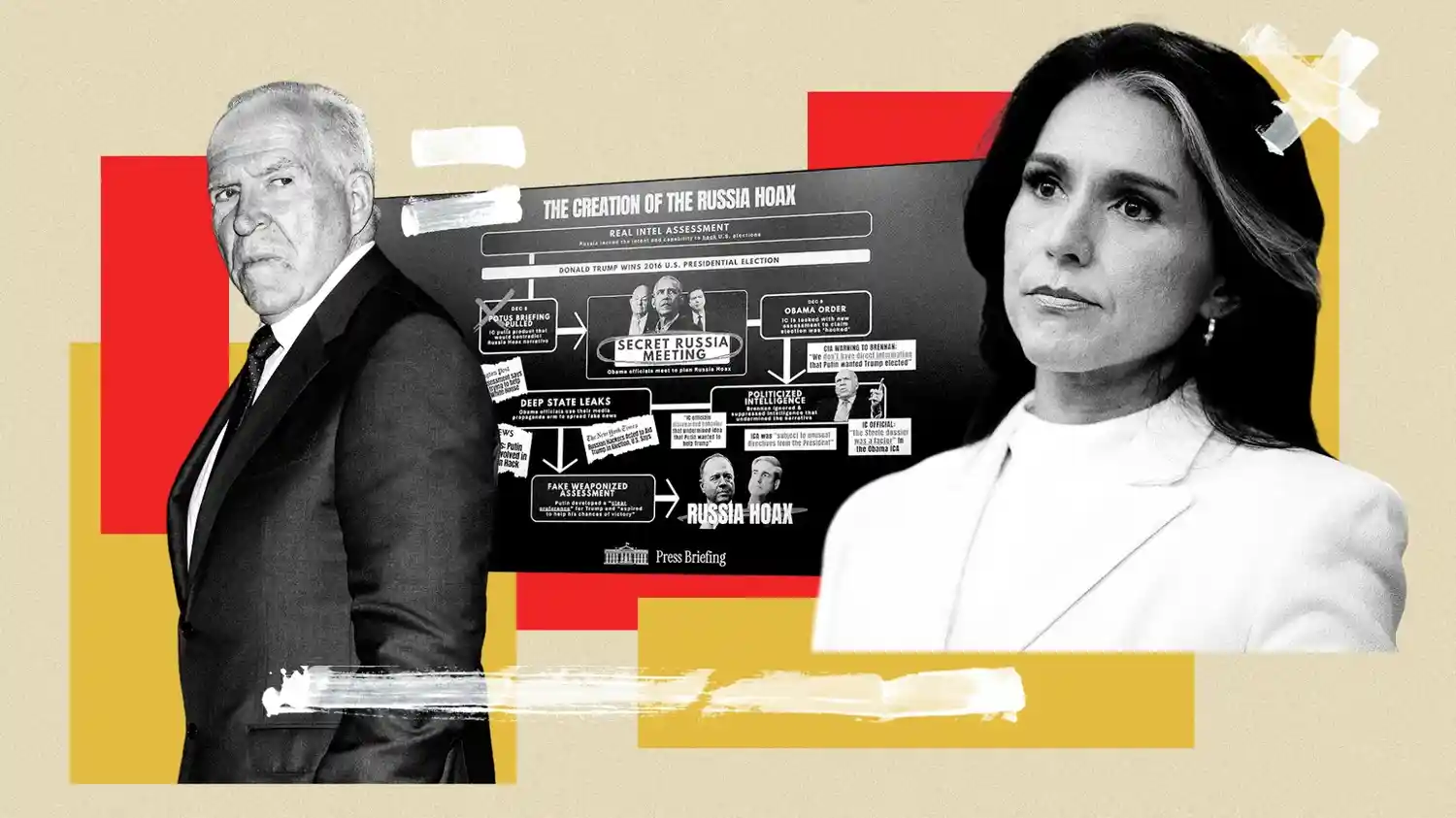


Federal prosecutors in Florida have issued a new round of subpoenas as part of an ongoing investigation into the U.S. intelligence community’s 2017 assessment of Russian interference in the 2016 presidential election, according to people familiar with the matter.
The inquiry, which began with document requests in late 2025, initially focused on materials prepared in the final months of the Obama administration. However, the latest subpoenas — issued in recent weeks — seek records extending well beyond the January 2017 publication of the report, the sources said.
The Justice Department has declined to comment on the investigation. The move forms part of a wider effort by the current administration to scrutinise individuals and agencies perceived as having opposed President Trump during and after his first term.
The 2017 intelligence assessment, released in the final days of Barack Obama’s presidency, concluded that Russia had carried out a broad campaign to undermine confidence in American democracy and to tilt the election in Donald Trump’s favour. It stated that Vladimir Putin had personally authorised the operation, which involved hacking Democratic emails and spreading disinformation through social media.
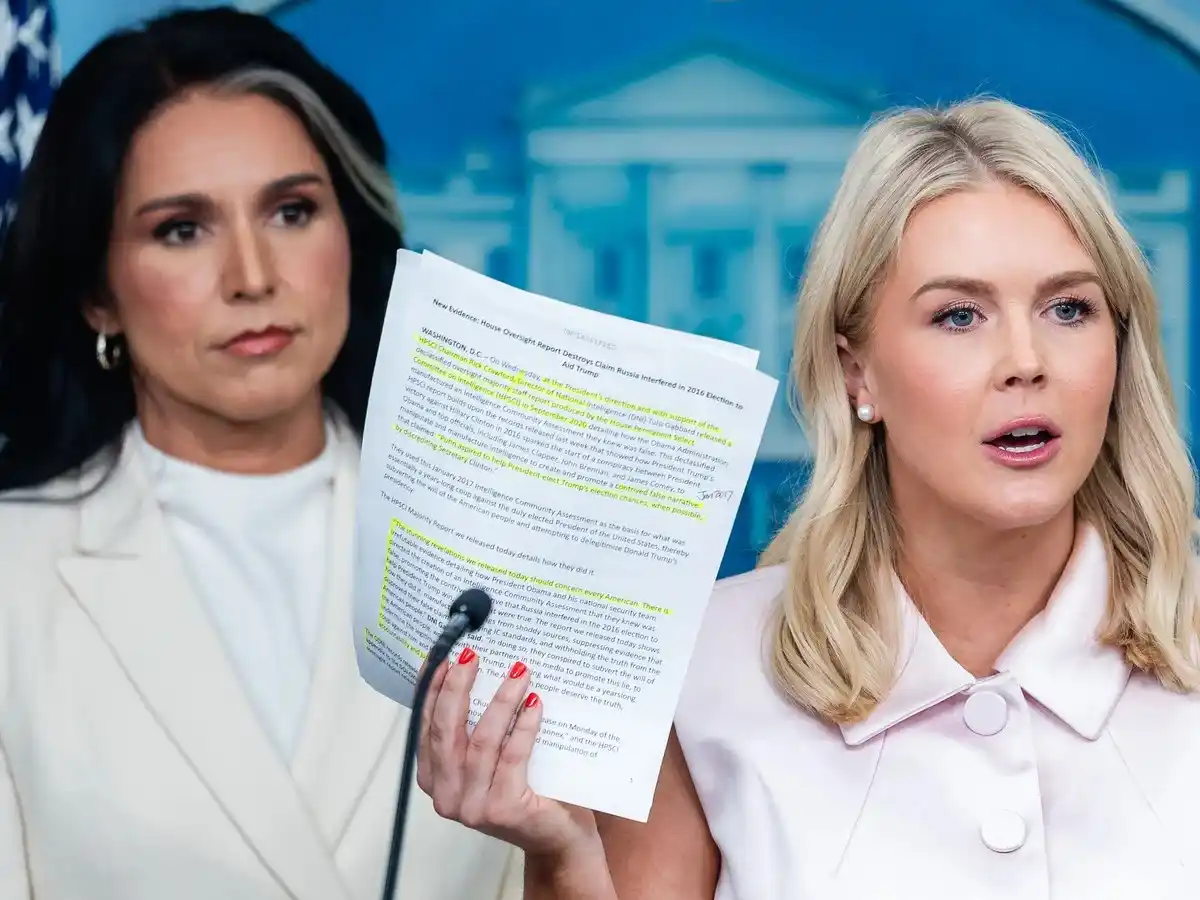
That assessment — along with the subsequent FBI-led investigation into possible Trump campaign coordination with Russia — has been a persistent source of grievance for the president. He has repeatedly described the inquiries as politically motivated “hoaxes” and has promised to hold those responsible to account.
Several former officials who played roles in the Russia-related investigations have already faced legal scrutiny under the current Justice Department. Former FBI Director James Comey was indicted last year on charges of making false statements and obstruction, though that case was later dropped.
Multiple independent reviews — including bipartisan Senate reports and the investigation led by Special Counsel Robert Mueller — confirmed that Russia interfered in the 2016 election to benefit Trump. Mueller’s report found that the Trump campaign welcomed the help but did not establish a criminal conspiracy between campaign officials and Russian operatives.
The Florida investigation appears to focus in part on the intelligence community assessment’s inclusion of material from the so-called Steele dossier — a collection of opposition research compiled by former British intelligence officer Christopher Steele and funded by Democrats. Trump has frequently pointed to flaws in the dossier to discredit the entire Russia inquiry.
A declassified CIA review released in July 2025 by then-Director John Ratcliffe did not challenge the core finding of Russian interference but criticised procedural aspects of the assessment and suggested that former CIA Director John Brennan had shown a preference for narrative consistency over analytical rigour.
Brennan has maintained that he opposed including the dossier in the assessment due to its unverified nature, and that the FBI advocated for its inclusion. In testimony and his memoir, he has insisted the dossier did not shape the final judgments.
Lawyers for Brennan have previously questioned the legal basis for the Florida investigation, describing it as politically driven and lacking a clear criminal predicate. In a December letter to the chief judge of the Southern District of Florida, they argued that prosecutors had provided no explanation of what potential crimes were under review.
It remains unclear whether the inquiry will result in criminal charges. Legal analysts note that revisiting long-settled intelligence conclusions years later presents significant evidentiary and jurisdictional challenges.
The subpoenas come amid a broader pattern of Justice Department actions targeting individuals seen as adversaries by the administration. Former intelligence officials, law enforcement leaders, and political opponents have faced scrutiny in recent months.
The 2016 assessment’s findings remain widely accepted within the U.S. intelligence community and among international partners. However, the current investigation reflects ongoing domestic political divisions over the Russia inquiry and its legacy.
As the Florida probe continues, it is likely to fuel debate about the independence of the Justice Department, the role of intelligence in political accountability, and the boundaries of executive authority in revisiting past investigations.
Investigation