
New Mpox Variant Detected in England as Health Officials Step Up Monitoring




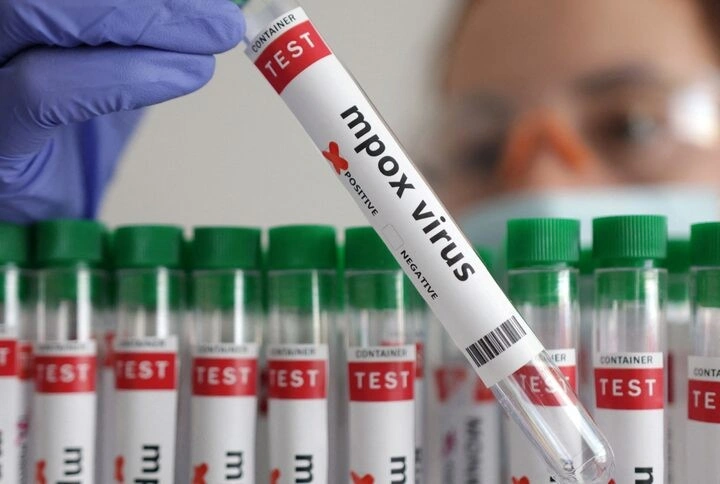


Health officials in England have identified a newly evolved variant of mpox, prompting renewed surveillance efforts and a fresh push to protect people most at risk, amid concerns about ongoing transmission.
The UK Health Security Agency (UKHSA) confirmed this week that the variant was detected through routine genomic monitoring, part of the country’s expanded disease surveillance system introduced after the Covid-19 pandemic. While officials stress that there is no immediate cause for alarm, they say the discovery underlines the need for continued vigilance.
Mpox, which used to be called monkeypox, is a virus that spreads mostly through close physical contact. The most common symptoms are fever, muscle aches, and a rash that looks like a rash. However, the severity of these symptoms can vary. In 2022, the virus got international attention after outbreaks were reported in many parts of Europe, including the UK.
According to health authorities, early analysis suggests the newly identified strain does not appear to cause more severe illness than existing variants. However, experts are still assessing whether it may spread more easily or evade some immune protection. “This is precisely why genomic surveillance matters,” a UKHSA spokesperson said. “Detecting changes early allows us to respond proportionately and protect public health.”
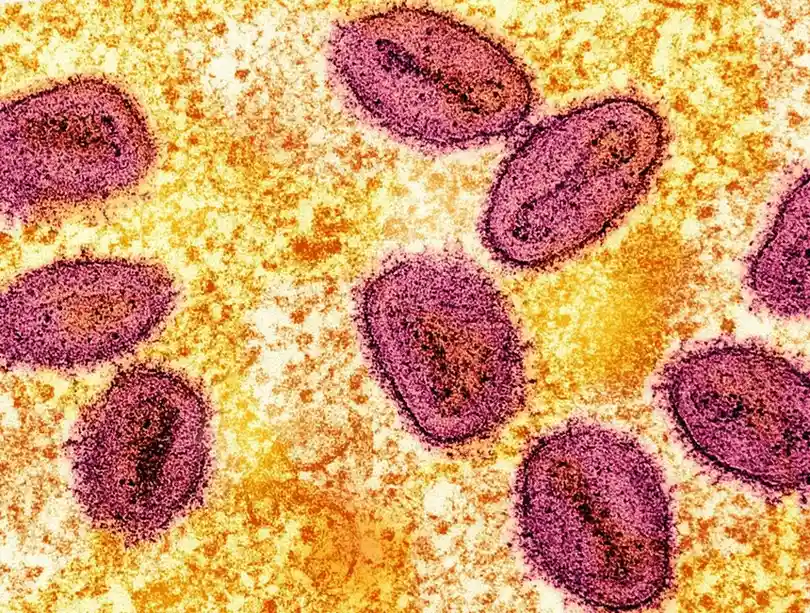
Vaccination programmes targeting high-risk groups, including some healthcare workers and individuals with higher exposure risk, remain a key part of the UK’s strategy. Officials have reiterated that vaccines currently in use are expected to offer protection against the new variant, though further testing is under way.
Public health leaders are also urging people to be aware of symptoms and to seek medical advice if they develop unexplained rashes or flu-like illness following close contact with someone who is unwell. Those diagnosed are advised to isolate until lesions have healed to reduce the risk of transmission.
The detection comes as global health agencies continue to warn that mpox has not been eradicated and can resurface if surveillance weakens. International travel and close-contact social networks mean outbreaks can cross borders quickly without early intervention.
For now, officials say the risk to the general public remains low. But they emphasise that ongoing monitoring, vaccination uptake and clear public information will be essential in preventing wider spread. As one infectious disease expert noted, “Mpox is now a virus we understand far better — but that doesn’t mean we can afford to ignore it.”
Health authorities say updates will be issued if further findings emerge in the coming weeks.