UK Companies Reduce Employment at the Quickest Rate Since 2021; Construction Activity Declines




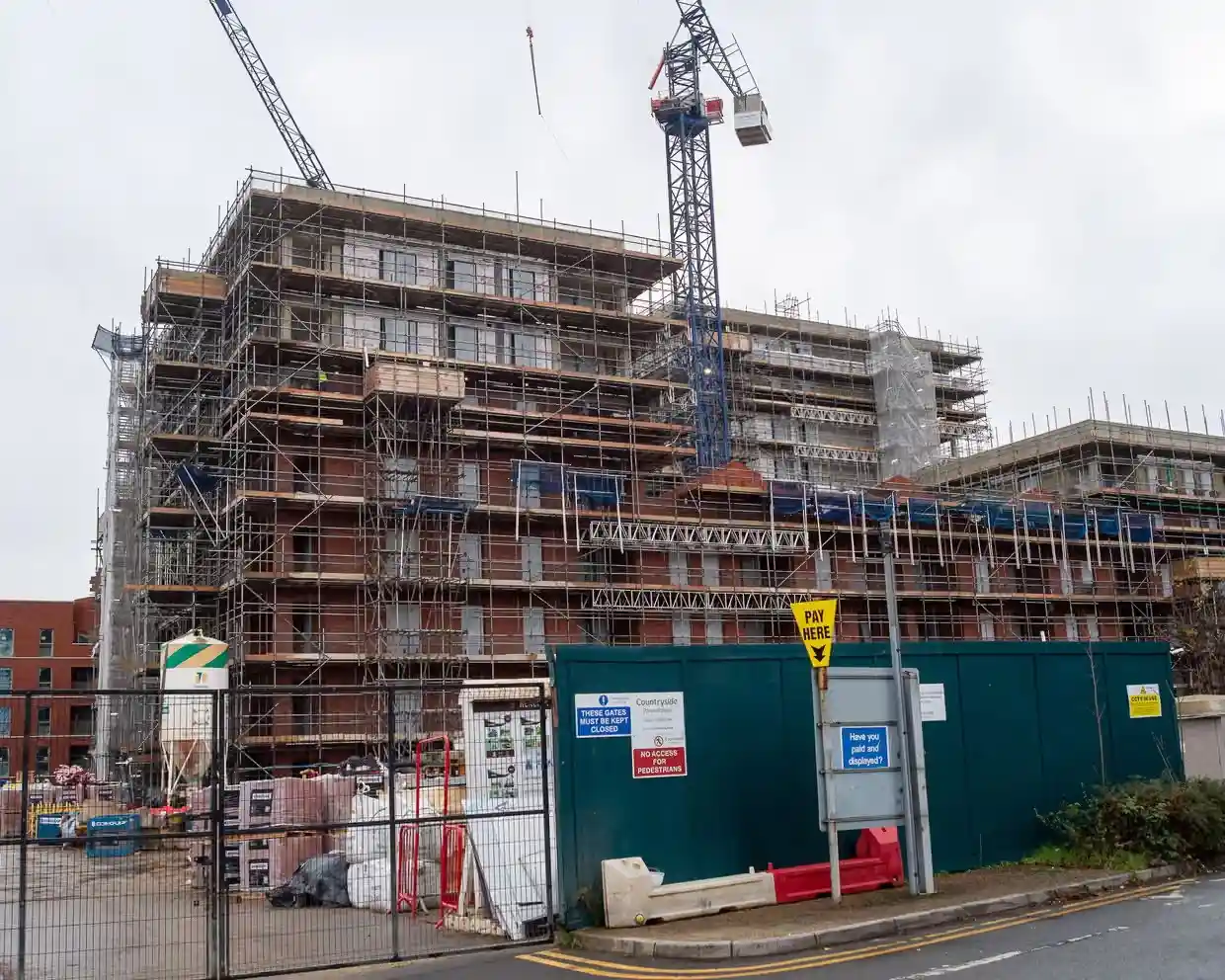


Recent data shows that UK businesses are firing workers at the fastest rate since 2021. This is because the economy is becoming more unstable and tax and fiscal policies are expected to change. The construction industry has been hit the hardest, with activity levels dropping to what they were like in the early days of the Covid-19 epidemic.
An S&P Global survey found that the construction purchasing managers' index dropped from 44.1 in October 2025 to 39.4 in November. The most recent report shows that commercial projects, civil engineering work, and homebuilding have all shrunk a lot. This is the biggest drop in output since May 2020. The drops in all three areas were the biggest in almost five years.
Respondents to the survey reported weak client confidence, postponed investment decisions and a slowdown in new orders. Many firms also said they were reducing staff numbers and scaling back the use of subcontractors, reflecting broader efforts to cut costs as workloads shrink.
Across the wider economy, Bank of England data and other PMI indicators suggest businesses are reducing headcount at a pace not seen in more than four years. Companies have attributed job losses to rising wage bills, softer demand and uncertainty ahead of forthcoming government fiscal decisions.
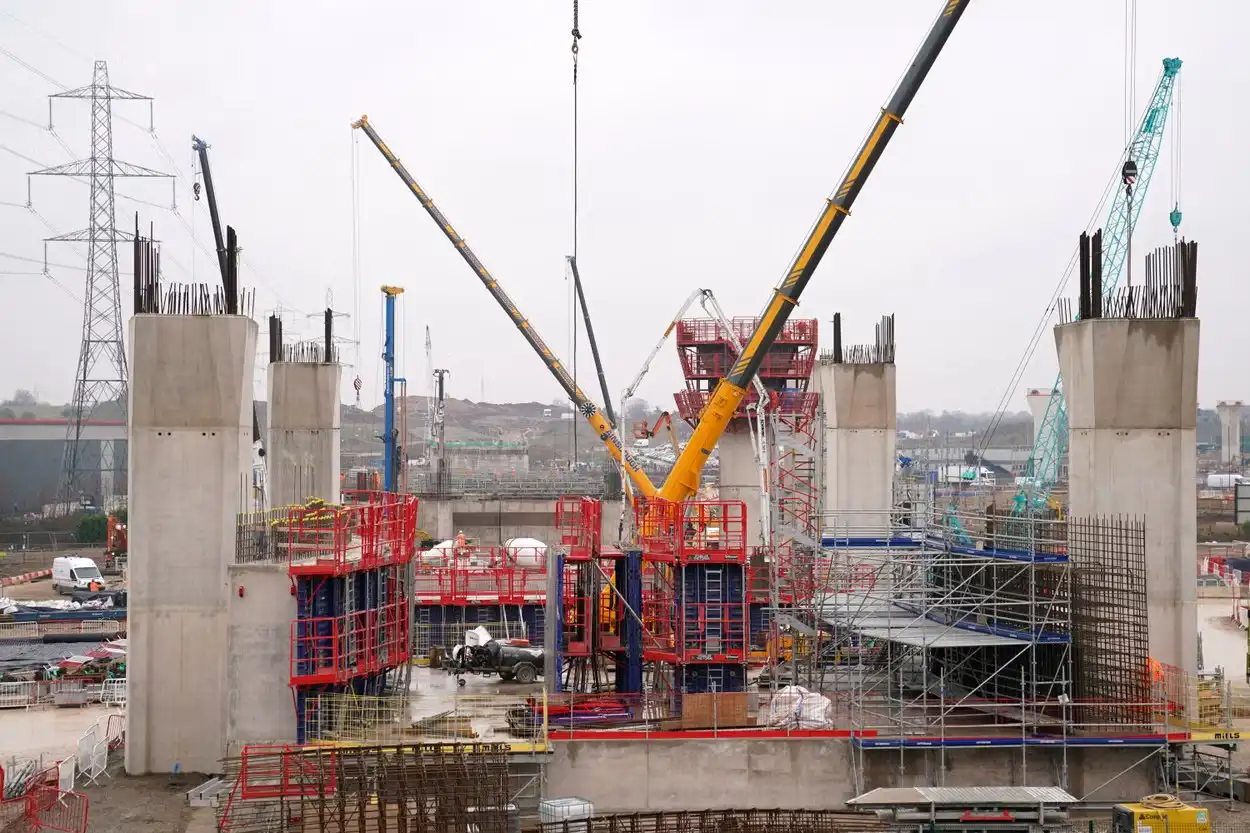
Analysts warn that the mix of falling demand, delayed investment and a more unsettled economic outlook is creating increasingly difficult trading conditions, particularly for construction firms. They say the downturn raises concerns that upcoming tax and budget measures could weigh further on business confidence and delay major projects.
Construction companies appear to be holding back on new work until there is greater clarity on economic policy. The drop in new orders has been especially marked in infrastructure and housing, deepening fears about the sector’s prospects in the months ahead.
The drop in activity and workers happens at a bad time for the economy as a whole. Many businesses have already had problems with tighter budgets, higher costs, and inflationary pressures. As demand goes down, the chance of hiring and investment slowing down more broadly seems to be growing.
Economists say job cuts and reduced construction activity could continue unless conditions improve or the government introduces measures aimed at stabilising confidence. Some firms have already signalled they will be cautious about recruitment and capital spending until fiscal policy and consumer trends become clearer — a shift that could have long-term implications for growth, infrastructure development and the UK labour market.
Business