Three pubs and restaurants close every day in Britain as costs reach crisis point



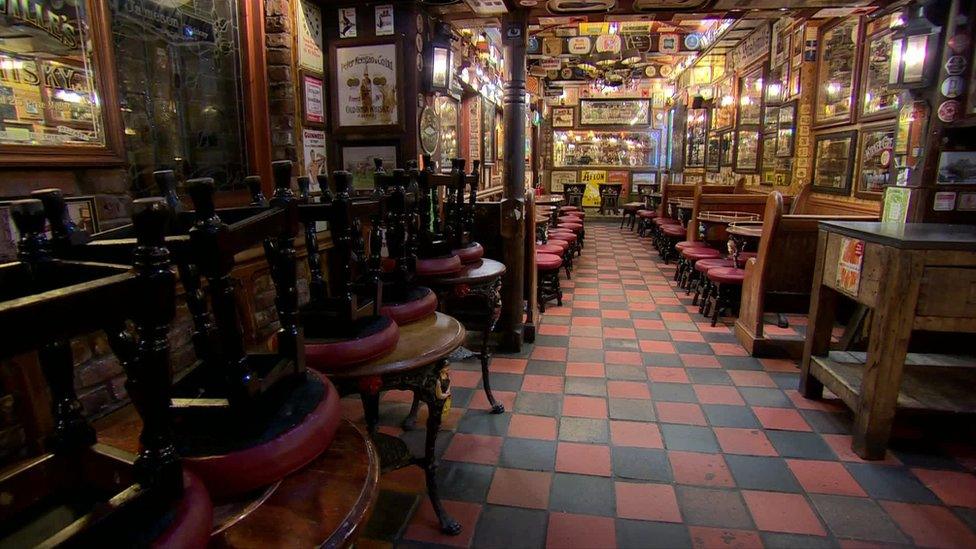


Britain's hospitality sector lost an average of 3.4 pubs and restaurants every single day in the first quarter of 2026, with fresh data showing just 98,609 licensed premises remaining by the end of March — 305 fewer than three months earlier and a second successive quarterly fall that raises fresh questions about the sector's long-term viability.
The figures come from NIQ's Hospitality Market Monitor, powered by CGA intelligence, published on 27 April 2026. The report recorded a 0.3% decline in outlet numbers between January and March — following a sharper 0.4% contraction in the final quarter of 2025 that saw 382 sites close between October and December. Taken together, Britain has lost 0.7% of all its licensed premises in just six months.
The Iran war has driven the crisis deeper than it might otherwise have gone. Middle East tensions have choked off oil and gas flows through the Strait of Hormuz, pushing energy prices sharply higher across Europe. Economists are now forecasting that household energy bills in Britain will rise 15% in July 2026, followed by a further 3.5% increase in October — a trajectory that is expected to depress the discretionary consumer spending on which pubs, bars and restaurants depend, while simultaneously raising their own operating costs.
Karl Chessell, Director of Hospitality Operators and Food, EMEA at NIQ, described the data as evidence of an industry approaching a tipping point. He said soaring costs had taken a heavy toll on hospitality in the first quarter and forced hundreds of businesses to close, adding that confidence among business leaders and consumers alike remained low, with geopolitical pressures likely to cause further damage in the months ahead. He said thousands of venues were now "nearing breaking point" and warned that without targeted support, further closures throughout 2026 should be expected.
Those pressures sit on top of a significant tightening of the fiscal position for hospitality that took effect in April. Chancellor Rachel Reeves ended the Covid-era business rates relief that had provided discounted bills since the pandemic, having already reduced it from 75% to 40% before removing it entirely. Employer National Insurance contributions have also been raised, and the National Living Wage has increased by 6.7% and 4.1% in successive years under Labour. Trade bodies calculate that the minimum wage increases alone have added approximately £1.4 billion to the sector's annual wage bill — a figure that most operators cannot absorb without cutting jobs, reducing hours or cancelling investment plans. A February survey by NIQ found that nearly two-thirds of hospitality businesses intended to reduce staffing levels in response.
The pressure is being felt most acutely at the independent end of the market. Industry estimates suggest independent hospitality firms face average business rates bills rising by £3,126 this year — a 15% increase. Kate Nicholls, chair of UKHospitality, has described the situation facing smaller operators as a "real triple whammy," while JD Wetherspoon chairman Tim Martin said the sector was "possibly more vulnerable than it has ever been." Jamie Oliver added his voice to the criticism, accusing ministers of "battering" UK entrepreneurs through what he described as punishing and compounding tax burdens.
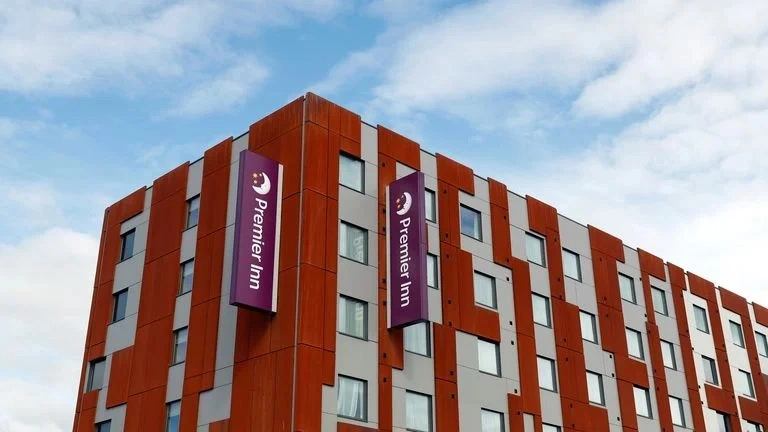
Across individual channels, casual dining recorded the steepest decline in Q1 2026, with outlet numbers down 0.9%, while bars fell by 1.2% as consumers pulled back on evening spending. Hotels have been more resilient: the licensed hotel segment is only 4.7% smaller than its pre-COVID level of March 2020, compared to a 14.3% contraction across all licensed premises, with analysts suggesting staycations may provide some seasonal uplift over the summer months.
A joint statement from UKHospitality and the British Beer and Pub Association warned that the sector faced "billions of pounds in additional costs" that would force businesses into heartbreaking decisions. Trade bodies are now lobbying ministers for a permanent reduction in business rates for hospitality, a lower rate of VAT on food and drink in line with continental European norms, and meaningful relief on National Insurance rules for smaller employers.
The Government did secure a partial concession for the pub sector in January, when Ms Reeves announced a 15% reduction in new business rates bills from April, followed by a two-year real-terms freeze. Industry figures welcomed the measure but described it as far short of what is needed. For businesses whose energy contracts are due for renewal mid-year, the most painful cost increases have yet to arrive. With consumer confidence fragile and no further policy response signalled, analysts warn that three closures a day may prove to be a floor rather than a ceiling.
Frequently Asked Questions
How many pubs and restaurants is Britain losing per day in 2026?
According to NIQ's Hospitality Market Monitor, Britain averaged 3.4 net licensed premises closures per day in Q1 2026. Just 98,609 outlets remained at the end of March 2026 — 305 fewer than in December 2025 — marking a second consecutive quarterly fall.
Why are so many UK pubs and restaurants closing in 2026?
Multiple pressures are converging at once: rising energy costs driven by the Iran war's disruption of oil and gas supplies through the Strait of Hormuz, the end of Covid-era business rates relief, increased employer National Insurance contributions, and minimum wage rises that trade bodies estimate have added around £1.4 billion to annual sector costs.
What is the Iran war doing to UK hospitality energy costs?
The Middle East conflict has restricted oil and gas flows through the Strait of Hormuz, pushing up energy prices. Economists forecast household energy bills will increase by 15% in July 2026 and a further 3.5% in October, reducing consumer spending power while directly raising the operating costs of venues that depend on heating, cooking and refrigeration.
What are hospitality trade bodies demanding from the government?
UKHospitality and the British Beer and Pub Association are calling for a permanent reduction in business rates for hospitality, a lower VAT rate on food and drink in line with many European countries, and relief on National Insurance changes for smaller employers.
Has the UK government offered any relief to pubs and restaurants?
In January 2026, Chancellor Rachel Reeves announced a 15% cut to new pub business rates bills from April, followed by a two-year real-terms freeze. Trade bodies have welcomed the move but say it is insufficient when measured against the combined scale of cost increases now hitting the broader sector.
Business