
Heathrow Airport Passenger Traffic Falls as Iran Conflict Disrupts Global Aviation




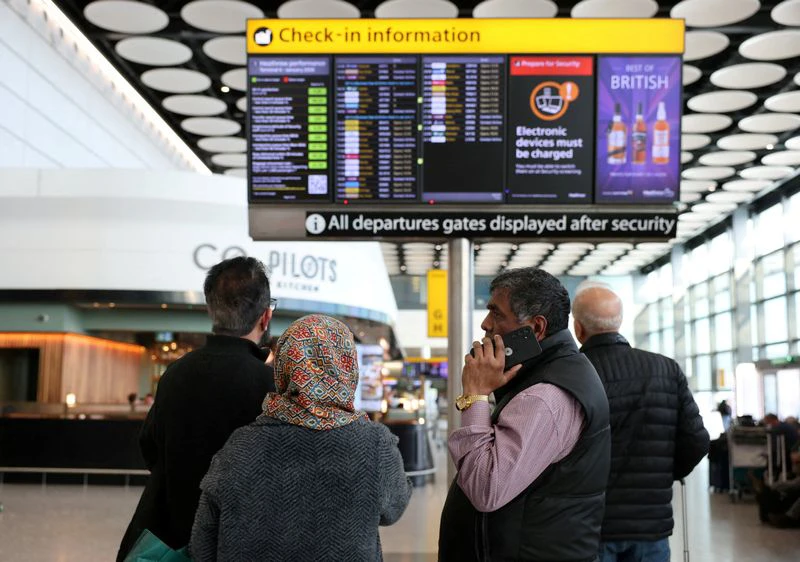


London's Heathrow Airport reported a noticeable decline in passenger traffic as the ongoing Iran conflict continued affecting global travel demand and airline operations. Heathrow said passenger numbers fell by around 5% in April compared with the same month last year, with roughly 6.7 million travelers passing through the airport.
The airport described the drop as the biggest year-on-year decline since March 2025. Much of the slowdown was linked directly to the fallout from the Iran war and continuing instability surrounding the Strait of Hormuz, which has disrupted aviation routes, increased fuel costs, and shaken confidence in international travel.
Traffic between London and the Middle East was hit especially hard. According to reports, passenger numbers on Middle East routes dropped by more than 50% because of regional airspace restrictions and ongoing military tensions.
Despite the overall decline, Heathrow said transfer traffic actually increased by around 10% as passengers rerouted through London instead of major Gulf hubs such as Dubai and Doha. Heathrow CEO Thomas Woldbye said the airport remains resilient despite the disruption and insisted that long-term travel demand is still strong.
The airport is expected to review its full 2026 passenger forecast next month as uncertainty around the conflict continues.
Iran Conflict Continues to Shake World Aviation
The Iran war is among the biggest disruptions to global aviation since the pandemic era, forcing airlines and airports worldwide to reschedule, reroute and manage rising operating costs. Heathrow's passenger decline reflects broader instability spreading across global air travel.
Airspace closures across parts of the Middle East have severely disrupted major flight corridors connecting Europe, Asia, and Africa. The flights have had to fly longer alternative routes around the conflict zone, increasing time, fuel consumption and operating costs.
Several major Middle Eastern aviation hubs have also faced heavy disruption. Carriers including Emirates, Qatar Airways, Lufthansa, Turkish Airlines, British Airways, and Air France have all reduced flights or adjusted schedules because of fuel pressures and regional instability.
According to reports, more than 13,000 flights globally have already been canceled in May alone as airlines respond to soaring jet fuel prices and fears of future shortages. Nearly two million passenger seats have reportedly been removed from global schedules.
The conflict has also left thousands of travelers stranded internationally after repeated airspace closures across Gulf countries. Industry analysts said the aviation disruption is now affecting not just Middle East routes but global airline scheduling and international tourism more broadly.
Heathrow has managed to absorb some rerouted traffic, but the broader aviation sector continues struggling with uncertainty tied to the war and the ongoing crisis in the Strait of Hormuz.
Fuel Prices and Economic Pressure Add to Airline Struggles
One of the biggest concerns for airlines and airports remains the sharp rise in fuel prices caused by the Iran conflict and disruption to shipping through the Strait of Hormuz. Reports said jet fuel prices have surged to around $181 per barrel, roughly double last year's level.
Airlines across Europe warned that they may soon have no choice but to pass rising fuel costs directly onto travelers through more expensive ticket prices. Some carriers have already reduced flight schedules to preserve fuel supplies and manage operating costs.
Heathrow executives said fuel supplies at the airport remain stable for now, but industry concerns continue growing about whether shortages could worsen later in the summer if disruption around Hormuz continues.
Governments and aviation regulators have also started considering emergency measures. Reports said the UK government has discussed giving airlines more flexibility to cancel flights without losing airport slots while domestic refineries were asked to increase jet fuel production.
At the same time, airlines are trying to balance higher costs with weakening demand. Some carriers have already started cutting ticket prices on certain European holiday routes to encourage bookings and prevent a larger drop in summer travel demand.
Expensive fuel, geopolitical instability and weaker travel confidence have created one of the toughest environments for the aviation industry in recent years.
Heathrow Tries to Stay Resilient Despite Uncertainty
Even with the decline in April traffic, Heathrow officials emphasized that the airport remains operationally stable and continues handling strong levels of international travel overall. Heathrow said total passenger numbers for the first four months of 2026 still rose slightly year-over-year to around 25.6 million travelers.
The airport also pointed to growth in several regions outside the Middle East. Passenger traffic to Asia-Pacific reportedly increased by more than 5%, while travel to Africa rose by nearly 7%. European travel remained relatively stable despite broader economic uncertainty.
Thomas Woldbye said Heathrow has shown resilience during periods of uncertainty before and argued that the current disruption appears to be more of a short-term shock than a permanent collapse in demand.
British Airways and other major Heathrow carriers have also benefited from diversified fuel supply chains, helping reduce the immediate risk of severe shortages at the airport itself.
Still, Heathrow executives acknowledged that the situation remains highly unpredictable. If conflict in the Middle East escalates further or the Strait of Hormuz remains heavily disrupted, passenger forecasts and airline operations could face additional pressure later this year.
The airport's updated annual forecast next month is now expected to become an important indicator of how deeply the Iran conflict may continue affecting global travel and the wider aviation industry through the rest of 2026.
Frequently Asked Questions
How much did Heathrow passenger numbers fall in April 2026?
Heathrow reported passenger numbers fell by around 5% in April 2026 compared with the same month last year, with roughly 6.7 million travelers passing through the airport. The airport described the drop as the biggest year-on-year decline since March 2025.
Why did Heathrow passenger traffic decline in April 2026?
Much of the slowdown was linked directly to the fallout from the Iran war and continuing instability surrounding the Strait of Hormuz, which disrupted aviation routes, increased fuel costs, and shaken confidence in international travel.
Which routes were most affected by the Iran conflict at Heathrow?
Traffic between London and the Middle East was hit especially hard. Passenger numbers on Middle East routes dropped by more than 50% because of regional airspace restrictions and ongoing military tensions.
What happened to jet fuel prices during the Iran conflict?
Jet fuel prices surged to around $181 per barrel, roughly double last year's level. Airlines across Europe warned that they may have no choice but to pass rising fuel costs directly onto travelers through more expensive ticket prices.
How did Heathrow perform overall in early 2026 despite the April decline?
Despite the April decline, Heathrow's total passenger numbers for the first four months of 2026 still rose slightly year-over-year to around 25.6 million travelers. Passenger traffic to Asia-Pacific increased by more than 5% and travel to Africa rose by nearly 7%.
Business